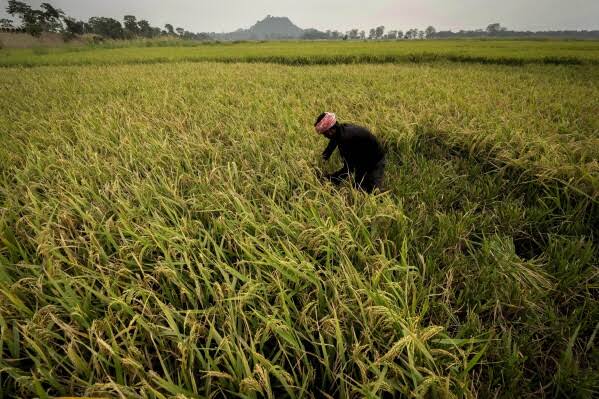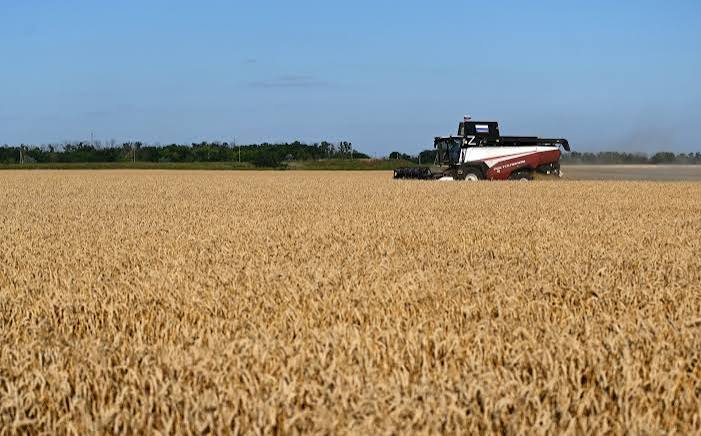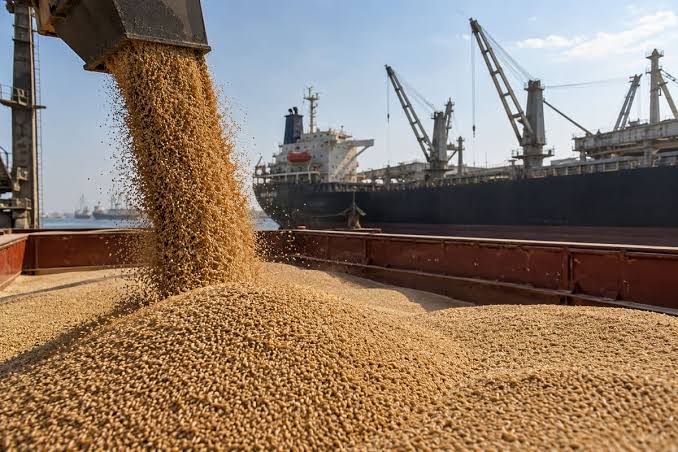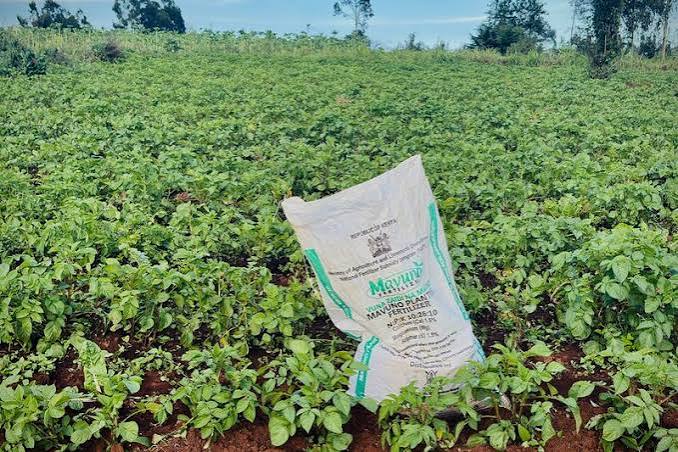
In a significant push to modernize agriculture and meet rising demand from the livestock and poultry industries, the West Bengal government has announced a major initiative to expand maize cultivation across the state by 60,000 hectares over the next three years. This decision comes in response to increasing requirements for maize as a key ingredient in animal, poultry, and fish feed, as well as its growing importance as a profitable crop for farmers.
At a recent agricultural and food processing summit, West Bengal’s Food Processing and Horticulture Minister Arup Roy emphasized that maize will be a central focus of the state’s crop diversification strategy. With around 4 lakh hectares already under maize cultivation producing approximately 29 lakh tonnes annually, the state has seen rapid growth in this sector over the past decade. The proposed expansion aims to build on this momentum by encouraging farmers to adopt maize through the provision of high-quality seeds, modern cultivation techniques, and better market support.
Districts like Murshidabad, Malda, and North and South Dinajpur, which already have favorable conditions for maize farming, will be the primary focus areas. Farmers in these regions are increasingly turning to maize due to its lower water requirements, shorter growing cycle, and higher profit margins compared to traditional crops like Boro paddy. In areas like Balurghat, where water scarcity is a growing concern, maize cultivation is gaining popularity as a sustainable alternative.
Innovative practices like intercropping are also being promoted. In Raiganj, North Dinajpur, farmers successfully combined mustard and maize on the same fields, resulting in higher overall yields and increased income. Encouraged by such outcomes, the state plans to promote this model across more than one lakh hectares in the coming years.
To ensure better price realization and reduce post-harvest losses, the state is also investing in infrastructure. A maize processing hub is being constructed in Karandighi with a ₹4 crore budget. This facility will include cleaning, grading, packaging, and storage systems, helping farmers access wider markets and reduce dependency on middlemen.
Furthermore, the West Bengal Livestock Development Corporation has started procuring maize directly from farmer producer companies and self-help groups to support the poultry and dairy sectors. This not only creates a steady market for growers but also strengthens the rural economy through direct linkages between producers and consumers.
The government is also working to enhance cold-chain systems, promote organic farming, and attract private investment in food processing, especially through modern horticulture practices like tissue culture and protected cultivation.
This strategic expansion of maize cultivation marks a shift in West Bengal’s agricultural landscape offering farmers new opportunities for income, improving resource efficiency, and supporting the state’s growing livestock and agri-processing sectors. By aligning its policies with market demand and ecological realities, the state is paving the way for a more resilient and diversified rural economy.


 By