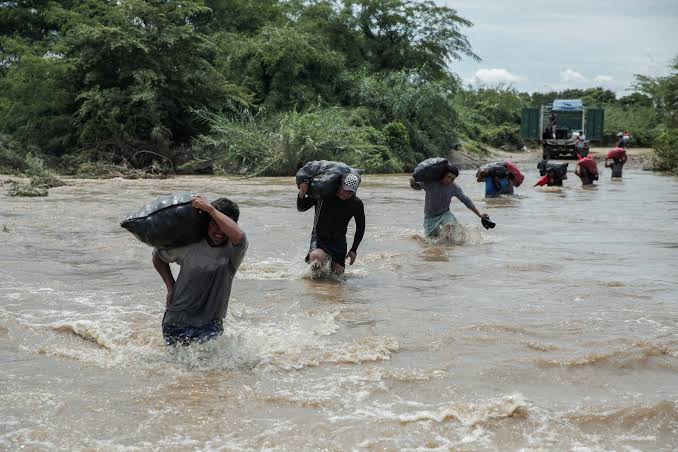
After enduring one of the most intense flood events in recent years, farmers across parts of Texas have begun the difficult but determined process of cleanup and recovery. Torrential rains over the past two weeks led to widespread flooding in rural and agricultural regions, submerging fields, damaging equipment, and disrupting critical planting schedules. Now, as waters slowly recede, the focus shifts to salvaging what’s left and preparing for a long road back to normalcy.
In areas of the Brazos Valley, Central Texas, and the Gulf Coast plains, thousands of acres of farmland were inundated, affecting crops like cotton, corn, and sorghum. Many farmers lost entire early-season plantings to the floods, while others now face soil erosion, crop disease risks, and infrastructure damage, including broken fences, flooded barns, and washed-out roads.
Despite the setbacks, the spirit of resilience among Texas farmers remains strong. Local communities have come together to support one another with manpower, resources, and equipment. Volunteer groups and neighboring farms are helping with debris removal, drainage clearing, and replanting where possible. County extension offices and the Texas A&M AgriLife Extension Service are also stepping in to offer technical assistance and disaster recovery advice.
State officials have pledged support, with Governor Greg Abbott visiting some of the worst-affected areas and promising to expedite aid for both immediate recovery and long-term rebuilding. The USDA’s Farm Service Agency (FSA) has activated emergency assistance programs, including low-interest loans and cost-share options for replanting and repair.
Agronomists say it’s still early enough in the season for some crops to be replanted, though yields may be lower. Farmers are also exploring alternative crops and soil amendments to rehabilitate flooded fields. In the meantime, many are assessing crop insurance claims and working closely with extension agents to mitigate long-term impacts on their operations.
While the damage is significant, the agricultural community is rallying with its usual determination. “We’ve been through droughts, freezes, and now floods,” said one local farmer near Wharton County. “But we’ll clean up, we’ll replant, and we’ll keep going. That’s just what we do.”
The coming weeks will be crucial for the recovery effort, but across Texas, the message is clear: the farming community may be down temporarily, but it is far from defeated.


 By