

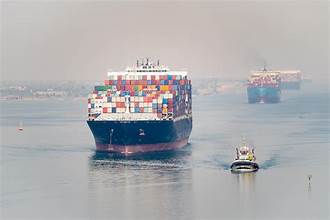
Rising disruptions in global shipping routes are emerging as a serious threat to food security, with delays in fertilizer shipments and surging logistics costs potentially pushing millions of people into food insecurity. Experts warn that continued blockages in critical maritime corridors could destabilize agricultural supply chains at a time when global food systems are already under pressure.
Key international shipping lanes—including strategic chokepoints such as the Strait of Hormuz and the Suez Canal—play a vital role in transporting fertilizers, energy supplies, and agricultural commodities. Any disruption in these routes, whether due to geopolitical tensions, conflicts, or logistical bottlenecks, can lead to significant delays in shipments and sharp increases in freight costs.
Fertilizers are particularly vulnerable to such disruptions because they rely heavily on timely global distribution. When shipments are delayed, farmers may miss critical planting windows or be forced to reduce fertilizer application. This can directly impact crop yields, leading to lower agricultural output and tightening global food supplies. The situation is especially concerning for import-dependent regions in Asia and Africa, where access to fertilizers is already constrained by rising prices.
In addition to delays, shipping disruptions have caused freight costs to spike dramatically. Higher transportation expenses are being passed down the supply chain, increasing the overall cost of fertilizers and other agricultural inputs. For farmers operating on narrow margins, these added costs can be unsustainable, forcing them to cut back on essential inputs and scale down production.
The Food and Agriculture Organization has repeatedly highlighted the link between supply chain disruptions and food insecurity. According to experts, even short-term interruptions in fertilizer availability can have long-lasting effects on agricultural productivity, particularly in developing countries. Reduced yields not only impact farmers’ incomes but also contribute to higher food prices, making basic commodities less affordable for vulnerable populations.
The broader implications extend beyond agriculture. Shipping disruptions also affect fuel supplies, which are critical for farm machinery, irrigation systems, and food transportation. As energy costs rise, the entire food production and distribution network becomes more expensive, further compounding inflationary pressures.
Governments and international organizations are increasingly focusing on building resilience within supply chains. Measures such as diversifying import sources, investing in local fertilizer production, and improving storage infrastructure are being explored to reduce dependency on vulnerable shipping routes. Additionally, there is growing interest in sustainable farming practices that require fewer chemical inputs, helping farmers adapt to supply uncertainties.
However, experts caution that these solutions will take time to implement. In the short term, coordinated global efforts are needed to ensure the smooth functioning of maritime trade and prevent further disruptions. Without such measures, the ongoing challenges in shipping and logistics could escalate into a broader food crisis.
The current situation underscores the fragile nature of global food systems, where disruptions in one sector—such as shipping—can have far-reaching consequences. Ensuring uninterrupted movement of critical agricultural inputs like fertilizers will be essential to maintaining food production and safeguarding food security for millions around the world.


 By
By











