

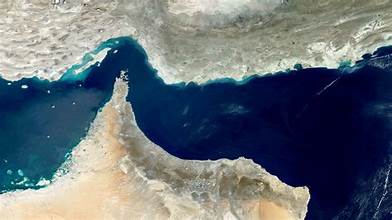
The Food and Agriculture Organization (FAO) has issued a stark warning about the possibility of a global agrifood crisis if disruptions occur in the strategically critical Strait of Hormuz. The agency highlighted that any interruption in this vital maritime route could severely impact global supplies of energy and fertilizers, triggering a chain reaction that may ultimately threaten food production and affordability worldwide.
The Strait of Hormuz is one of the most important oil transit chokepoints globally, with a significant share of the world’s crude oil and liquefied natural gas passing through it. Any geopolitical tension or conflict in the region has the potential to disrupt shipments, leading to immediate spikes in energy prices. For the agriculture sector, this is particularly concerning, as fuel and natural gas are essential inputs not only for farm operations but also for the production of nitrogen-based fertilizers.
According to FAO assessments, a disruption in energy supply would directly raise the cost of fertilizer production, making these inputs less affordable for farmers across both developed and developing countries. Fertilizers play a crucial role in maintaining crop yields, and any reduction in their usage due to high prices could significantly impact agricultural output. Lower yields would, in turn, tighten global food supplies and drive up prices, placing additional pressure on already vulnerable populations.
The agency also noted that the ripple effects would extend beyond fertilizers. Higher fuel costs would increase transportation and logistics expenses across the entire food supply chain—from farm machinery operations to the movement of goods across domestic and international markets. This could further inflate food prices, making basic commodities less accessible, especially in low-income and import-dependent countries.
FAO has emphasized that the current global food system is already under strain due to multiple overlapping challenges, including climate change, ongoing conflicts, and economic instability. A major disruption in the Strait of Hormuz could act as a tipping point, exacerbating existing vulnerabilities and pushing millions more people toward food insecurity.
In response to these risks, the organization is urging governments and international bodies to strengthen contingency planning and diversify supply chains. This includes exploring alternative fertilizer sources, investing in sustainable agricultural practices that reduce dependency on chemical inputs, and enhancing regional food production capacities to improve resilience against global shocks.
Experts believe that proactive measures, such as strategic reserves of key agricultural inputs and improved international coordination, could help mitigate the impact of potential disruptions. However, they caution that the interconnected nature of global energy and food systems means that any significant disturbance in a key transit route like the Strait of Hormuz could have far-reaching consequences.
The FAO’s warning underscores the delicate balance within the global agrifood system and highlights the urgent need for policies that enhance resilience, reduce dependency on volatile supply routes, and ensure stable food production in an increasingly uncertain geopolitical environment.


 By
By











