

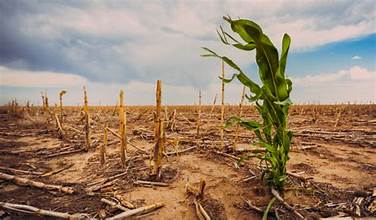
Global fertilizer supply chains are facing severe disruptions due to ongoing geopolitical conflicts, triggering price increases of over 80% in several key markets and posing a significant threat to agricultural productivity—particularly across Asia. The situation is raising serious concerns among policymakers and international agencies about the stability of global food systems in the coming months.
Fertilizers are a cornerstone of modern agriculture, directly influencing crop yields and overall farm output. However, supply constraints driven by export restrictions, trade disruptions, and rising energy costs have sharply reduced availability in international markets. Major fertilizer-producing regions have been affected by geopolitical tensions, limiting exports and tightening global supply.
The impact has been especially pronounced in Asian countries, where agriculture remains highly dependent on imported fertilizers. Nations such as India, Bangladesh, and Vietnam rely heavily on global supply chains to meet their domestic demand. As prices surge, farmers are struggling to afford essential inputs, forcing many to reduce application rates or delay purchases altogether. This could result in lower crop yields, reduced farm incomes, and increased food prices.
Energy prices are a critical factor in this crisis. Fertilizer production—particularly nitrogen-based fertilizers—depends heavily on natural gas. With energy markets experiencing volatility, production costs have soared, further pushing up fertilizer prices. This dual pressure of limited supply and high production costs has created a challenging environment for both manufacturers and farmers.
According to the Food and Agriculture Organization, disruptions in fertilizer availability can have cascading effects on global food security. Reduced fertilizer use often leads to declining crop productivity, which in turn tightens food supply and drives up market prices. Vulnerable populations in developing countries are likely to be the hardest hit, as they spend a larger share of their income on food.
The crisis also highlights the fragility of global agricultural supply chains, which are increasingly influenced by geopolitical developments. Experts warn that continued instability could prolong the situation, making it difficult for markets to stabilize in the near term. In response, several governments are exploring measures such as fertilizer subsidies, strategic reserves, and alternative nutrient sources to support farmers.
There is also a growing push toward sustainable farming practices that reduce dependence on chemical fertilizers. Techniques such as organic farming, biofertilizers, and precision agriculture are being promoted as long-term solutions to enhance resilience. However, transitioning to these systems requires time, investment, and technical support.
The current fertilizer crisis serves as a stark reminder of the interconnected nature of global agriculture, energy, and geopolitics. Without coordinated international efforts and timely policy interventions, the disruption in fertilizer supply chains could escalate into a broader food security challenge, affecting millions of people worldwide.
As the situation evolves, ensuring stable access to agricultural inputs will be critical to maintaining global food production and preventing further escalation of food prices.


 By
By











