India Moves to Stabilize Rice Prices, Ensures Adequate Supply for Consumers

In response to the recent rise in rice prices due to a temporary slowdown in imports, the Government of India has swiftly stepped in to safeguard domestic supply and protect consumer interests. With proactive measures already underway, officials have assured the public that the situation is under control and prices are expected to stabilize soon.
Temporary Global Disruption, But Ample Domestic Stocks
While global rice trade has experienced a minor disruption owing to delayed shipments from some exporting countries, the Food Corporation of India (FCI) and state agencies have confirmed that domestic buffer stocks remain strong. Central warehouses across the country are well-stocked, ensuring that there is no immediate threat of shortage.
Swift Government Response
To counter speculative price hikes and hoarding, the government has initiated the following key steps:
- Release of additional stocks in the open market through the Open Market Sale Scheme (OMSS) to boost local availability.
- Crackdown on hoarding and black marketing by deploying enforcement teams in sensitive regions.
- Close monitoring of wholesale and retail prices, especially in major consumption centers.
- Expedited import clearances and negotiations to ensure faster arrival of delayed consignments.
An official from the Ministry of Consumer Affairs stated, “The government is fully committed to price stability. Sufficient reserves and strategic planning will ensure that rice remains affordable and accessible to all sections of society.”
Consumer Relief Expected Soon
Experts believe that with favorable monsoon conditions and the upcoming Kharif harvest, the pressure on prices is likely to ease further in the coming weeks. Retail markets have already shown signs of stabilization in several states following the release of central stocks.
Farmers Also to Benefit
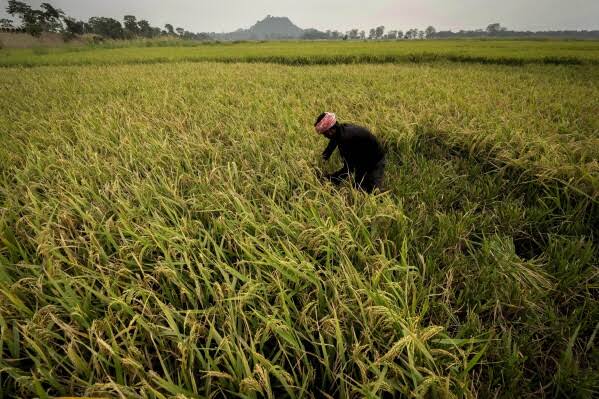
Interestingly, the recent rise in prices is also translating into better returns for rice farmers, especially in eastern and southern states. With the government balancing farmer welfare and consumer affordability, both sides stand to benefit from a well-managed supply chain.
A Resilient Food System
India, being the world’s second-largest rice producer, has consistently demonstrated resilience in food security. The current measures reaffirm the government’s preparedness and efficiency in handling short-term supply challenges without compromising the needs of consumers or farmers.
In summary, while the rice import slowdown posed a momentary challenge, strong domestic planning and swift action have kept the situation well under control, ensuring that Indian households can continue to enjoy one of their most essential staples without worry.


 By
By