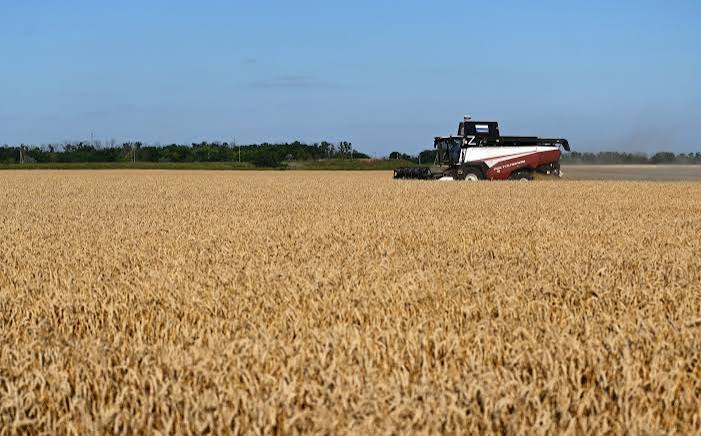
The International Union for Conservation of Nature (IUCN) has released a new publication exploring the intersection of agricultural support, trade policies, and biodiversity conservation. The study provides insights into how government subsidies and international trade frameworks can be better aligned with environmental and biodiversity goals, offering practical recommendations for sustainable agriculture worldwide.
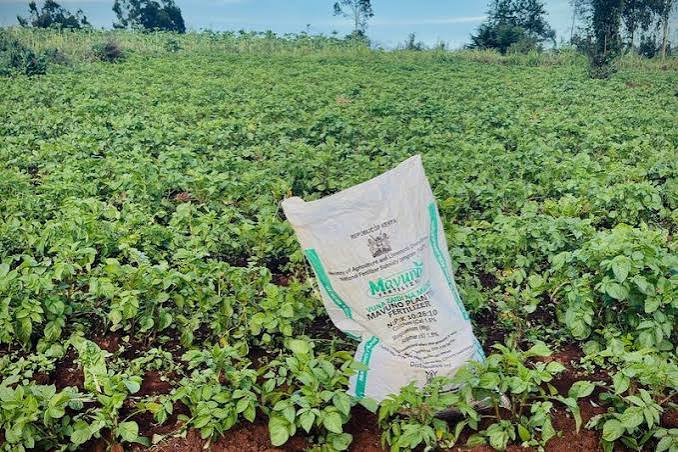
The publication highlights that while agricultural subsidies play a key role in supporting farmers and boosting food production, misaligned incentives can inadvertently harm ecosystems. Overuse of fertilizers, land conversion, and monoculture practices are among the pressures that threaten biodiversity. The IUCN study suggests that carefully designed subsidies and trade policies can help promote sustainable farming practices, protect habitats, and support resilient ecosystems.
According to IUCN experts, integrating biodiversity considerations into agricultural and trade policies is essential not only for environmental sustainability but also for long-term food security. The report provides case studies and policy frameworks demonstrating how governments and international organizations can balance economic, social, and ecological priorities in agriculture.
“Agriculture is critical for feeding a growing population, but it must also safeguard nature. This publication offers pathways to ensure that agricultural support and trade decisions reinforce biodiversity rather than undermine it,” said a lead author from IUCN.
The study is expected to serve as a reference for policymakers, trade negotiators, and agricultural planners worldwide, providing actionable guidance on creating incentives that foster environmentally sustainable farming while maintaining productivity and market competitiveness.
With increasing global attention on sustainable food systems, the IUCN publication underscores the importance of integrating ecological health into agricultural economics and trade policy, ensuring that future food production is both productive and environmentally responsible.


 By
By