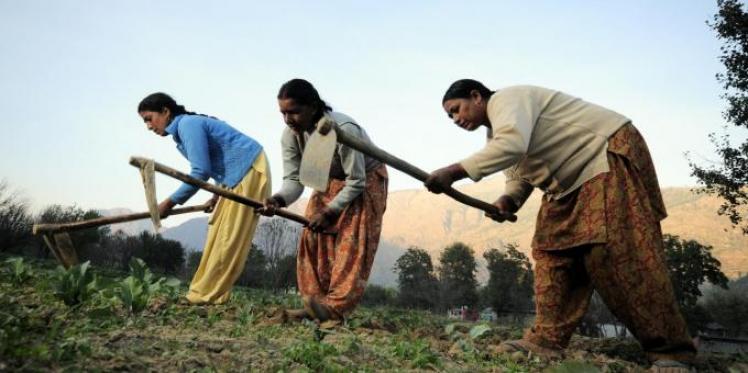
Recent analyses by agricultural experts have highlighted potential gender disparities in India’s natural farming policies, suggesting that women farmers may be disproportionately affected by certain policy measures. While natural farming initiatives aim to promote sustainable and eco-friendly agricultural practices, experts caution that without gender-sensitive reforms, these policies could inadvertently place additional burdens on women, who constitute a significant portion of the farming workforce.
Studies indicate that women in rural India often face constraints such as limited access to land, credit, extension services, and agricultural inputs. Policies designed without explicitly addressing these challenges may unintentionally reinforce existing inequalities. For instance, programs requiring ownership of land or formal credit documentation may exclude women farmers, who frequently work on leased or family-owned plots.
Experts argue that integrating gender-sensitive approaches into natural farming policies is essential to ensure equitable access and benefits. This could include measures such as targeted training programs for women, easier access to microloans, and recognition of women’s roles in decision-making within agricultural communities.
“The shift towards natural and sustainable farming must be inclusive,” said a leading agricultural policy analyst. “Ignoring gender dynamics not only undermines the effectiveness of these programs but also risks overburdening women farmers who are already managing multiple responsibilities on and off the farm.”
Policymakers are being urged to conduct gender impact assessments and incorporate feedback from women farmers to make natural farming initiatives more inclusive and practical. By doing so, India can promote sustainable agriculture while empowering women and enhancing productivity across the sector.
As natural farming continues to gain momentum in India, addressing gender disparities will be crucial to creating policies that are both environmentally sustainable and socially equitable. Experts believe that such reforms will ensure that women farmers are not left behind in the country’s push towards sustainable agriculture.

 By
By