Growing concerns about El Niño are drawing attention to the potential risks facing global agriculture, fisheries and food supply chains. Changes in ocean temperatures and atmospheric circulation associated with the climate phenomenon can alter rainfall patterns, increase the likelihood of drought or excessive rainfall in some regions, and affect water availability for farming and other economic activities.
According to information attributed to the World Meteorological Organization (WMO) on October 16, an intensifying El Niño is raising concerns about agricultural production, fisheries and the transportation of food commodities. The organization also highlighted the possibility of unusually high Pacific Ocean temperatures during October–December 2026.
The potential impacts are expected to vary considerably by region. For farmers, governments and agricultural businesses, monitoring local weather forecasts and preparing for changing conditions will be essential to managing production risks.
How El Niño Influences Global Weather
El Niño is a naturally occurring climate phenomenon characterized by warmer-than-average sea surface temperatures across parts of the central and eastern equatorial Pacific Ocean. It can influence atmospheric circulation and shift established rainfall and temperature patterns across different parts of the world.
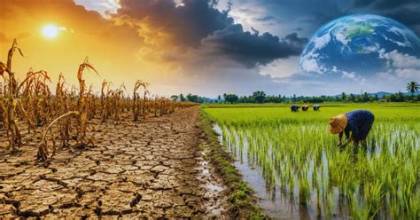
Its effects are not uniform. Some regions may experience reduced rainfall and prolonged dry conditions, while others may face heavier precipitation, flooding or increased temperatures.
The timing, duration and intensity of these impacts depend on the characteristics of each El Niño event, regional geography and other climate influences. Consequently, the presence of El Niño does not guarantee a particular weather outcome in every country.
Nevertheless, the phenomenon is an important consideration for agricultural planning because crop production depends heavily on rainfall distribution, temperature, soil moisture and the availability of irrigation water.
Crop Production Faces Increasing Weather Uncertainty
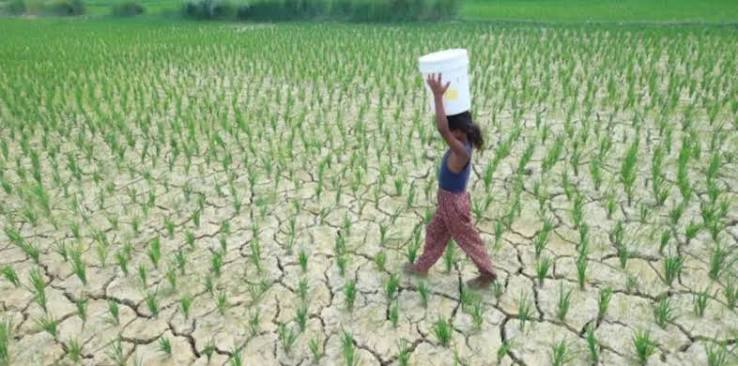
Changes in rainfall and temperature can affect crop establishment, flowering, pollination and grain development. Drought conditions may reduce soil moisture, limit irrigation supplies and increase the need for water management.
Excessive rainfall can create a different set of problems, including waterlogging, soil erosion, nutrient losses and delays in planting or harvesting. Flooding may also damage agricultural infrastructure and disrupt access to markets.
The potential consequences differ across crops and growing regions. Rice production, for example, depends on reliable water management, while maize, wheat, soybean and other crops can be vulnerable to water stress during critical growth stages.
Farmers can reduce some of these risks by selecting locally suitable crop varieties, adjusting planting schedules where appropriate, improving drainage and irrigation efficiency, and using reliable seasonal forecasts to guide farm operations.
Fisheries and Aquatic Ecosystems May Also Be Affected
El Niño can influence marine ecosystems by changing ocean temperatures, currents and the availability of nutrients in surface waters.
In parts of the Pacific, changes in ocean conditions can affect the distribution and abundance of fish populations. These shifts may influence fishing locations, catch levels and the income of fishing communities.
Warmer marine conditions can also create stress for some aquatic species and affect the balance of marine ecosystems. The consequences depend on the species involved, the location and the intensity of environmental changes.
Aquaculture operations may face additional challenges where elevated water temperatures, changes in water quality or reduced water availability affect fish health and production.
Monitoring ocean conditions and strengthening fisheries management can help authorities and fishing communities respond to these changing risks.
Food Transportation and Agricultural Markets
Extreme weather can disrupt food supply chains even when crops remain largely unaffected. Flooded roads, damaged bridges, port interruptions and reduced water levels along inland waterways can delay the movement of agricultural commodities.
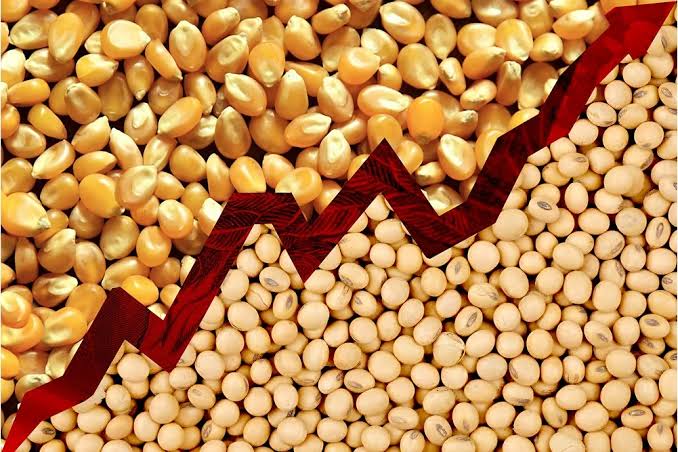
Such disruptions may increase transportation expenses, complicate deliveries and create temporary shortages in regional markets. If adverse weather affects major producing areas, the combination of lower output and logistical difficulties can add pressure to commodity prices.
However, the impact on prices will depend on actual production losses, existing inventories, trade flows and the availability of supplies from other regions.
Governments and agricultural businesses can improve resilience through better transport infrastructure, diversified sourcing, effective storage systems and contingency planning for weather-related disruptions.
Importance of Regional Forecasts and Preparedness
Agricultural planners should avoid relying on broad global climate signals alone. Regional and seasonal forecasts provide more useful guidance for deciding when to sow crops, manage irrigation, prepare drainage systems and protect livestock.
Agricultural extension services can play an important role by communicating timely weather advisories to farmers and helping them translate forecasts into practical decisions.
Governments can also strengthen early-warning systems, improve water-resource planning and support vulnerable farming and fishing communities before extreme conditions cause significant losses.
Outlook: Preparedness Will Be Critical
The developing El Niño situation highlights the relationship between ocean conditions, weather variability and global food production. Although its precise regional effects remain uncertain, changes in rainfall, temperature and water availability could create challenges for farmers, fisheries and agricultural supply chains.

 By