Global food security is facing renewed challenges as geopolitical tensions, extreme weather events and supply chain disruptions threaten the stability of agricultural production and food distribution. Rising energy prices, higher transportation costs and expensive agricultural inputs could increase pressure on food prices, making essential commodities less affordable for millions of households worldwide.
The growing uncertainty highlights the importance of strengthening agricultural supply chains, improving food distribution systems and developing effective policies to protect vulnerable communities from rising living costs.
Multiple Factors Driving Food Price Pressures
Global food prices are influenced by several interconnected factors, including agricultural production, energy markets, international trade and weather conditions. Disruptions in any of these areas can affect the cost of producing, transporting and selling food.
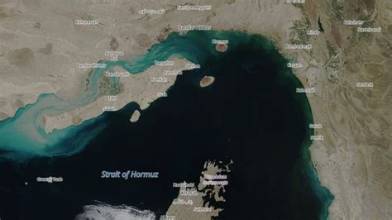
Geopolitical conflicts can interrupt shipping routes, delay international deliveries and increase freight and insurance expenses. When agricultural commodities, fertilizers, fuel and other essential supplies become more expensive to transport, the additional costs can eventually reach farmers, food processors, retailers and consumers.
Countries that rely heavily on imported food or agricultural inputs may face greater exposure to these disruptions. Any prolonged interruption in international trade could make it more difficult for such nations to maintain affordable and reliable food supplies.
Rising Input Costs Challenge Farmers
Higher agricultural input costs remain a significant concern for farmers across many regions. Fertilizers, diesel, electricity, seeds, crop protection products and irrigation all contribute to the overall cost of cultivation.
When these expenses rise faster than farm-gate prices, farmers may experience declining profit margins. Some producers could respond by reducing fertilizer applications, limiting investment in improved technologies or shifting to less input-intensive crops. Such adjustments may affect productivity and future food availability if they continue over several growing seasons.
Smallholder farmers are particularly vulnerable because they often have limited access to affordable credit, crop insurance, storage facilities and reliable market information.
Improving access to agricultural finance, efficient irrigation, locally appropriate technologies and timely input supplies can help farmers manage these risks and maintain production.
Extreme Weather Adds to Global Uncertainty
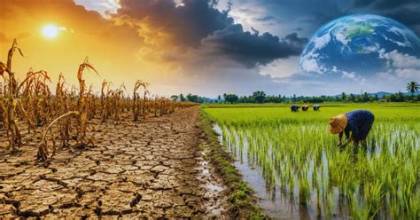
Weather variability is another important factor influencing food production. Droughts, floods, heatwaves and irregular rainfall can damage crops, reduce yields and disrupt harvesting operations.
When adverse weather affects major agricultural-producing regions simultaneously, the impact on international commodity markets can become more pronounced. Reduced production in key exporting countries may tighten supplies and increase competition among importing nations.
Investments in climate-resilient crop varieties, weather forecasting, water conservation, diversified farming systems and improved agricultural advisory services can help reduce these vulnerabilities.
Developing Stronger and More Resilient Food Systems
Governments, agricultural organizations and private-sector stakeholders can take several measures to reduce the risk of food inflation. These include diversifying import sources, improving domestic production, maintaining efficient food reserves and investing in storage, processing and transportation infrastructure.
Reducing post-harvest losses is equally important. Better warehouses, cold-chain facilities, rural roads and modern logistics can help ensure that more food reaches markets without unnecessary waste.
Targeted assistance for low-income households can also help protect access to essential food items during periods of rising prices. Transparent market information and timely monitoring of commodity supplies can support better policy decisions.
Outlook: Food Security Requires Coordinated Action
The combination of geopolitical uncertainty, climate-related risks and rising production costs underscores the need for a coordinated approach to global food security. Although price movements will depend on actual supply, demand, trade conditions and government policies, continued disruptions could create additional pressure on food affordability.
Strengthening agricultural resilience, supporting farmers and improving the efficiency of food supply chains will be essential to reducing future risks. A more diversified and sustainable food system can help countries respond more effectively to unexpected shocks while ensuring that nutritious food remains accessible to vulnerable populations.

 By