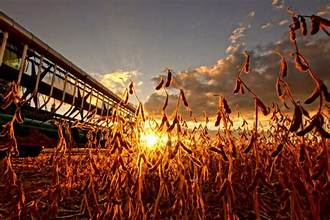
Harvesting of major US crops remains slightly behind the five-year average, as rainfall across parts of the Midwest has slowed field operations and delayed the movement of crops from fields to storage and markets. The latest reported figures show that soybean harvesting is approaching two-thirds completion, while corn harvesting has progressed to less than half of the expected crop area.
According to US Department of Agriculture (USDA) crop progress data reported on October 20–21, soybean harvesting was 64% complete, compared with the five-year average of 65%. Corn harvesting reached 44%, trailing the corresponding average of 52%.
The delays come at a time when grain markets are closely monitoring US harvest supplies, export demand and weather conditions. Although drier weather is expected to help fieldwork resume, the pace of harvesting will depend on local soil conditions and further rainfall.
Soybean Harvesting Nearly Matches the Seasonal Average
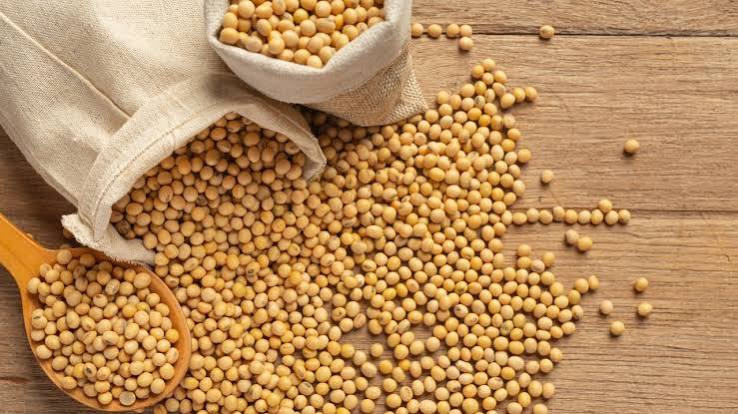
US soybean harvesting reached 64% completion, just one percentage point below the five-year average. The relatively small difference suggests that soybean harvesting is broadly close to its typical seasonal pace, although conditions may vary across individual states and production areas.
Rainfall can temporarily prevent machinery from entering fields, particularly where soils become saturated. Wet conditions may also increase the risk of soil compaction and create difficulties for farmers operating heavy harvesting equipment.
A return to drier weather would allow farmers to resume field operations and move harvested soybeans to storage facilities, processing plants and export terminals.
Soybeans are a major US agricultural commodity, supplying the livestock feed, vegetable oil and food-processing industries. Harvest timing can influence the availability of newly harvested supplies and the logistics required to transport them to domestic and international buyers.
Corn Harvesting Faces a Larger Delay
Corn harvesting is further behind the seasonal average. The reported completion rate of 44% compares with the five-year average of 52%, representing an eight-percentage-point gap.
The difference indicates that more of the US corn crop remained unharvested than is typical for this stage of the season. Continued wet conditions could complicate field access, delay deliveries and increase pressure on harvesting schedules.
Corn is widely used in animal feed, ethanol production and food manufacturing. The timing of harvest therefore matters to farmers, grain handlers, processors and livestock producers.
However, a slower harvest does not necessarily mean that total production will decline. Final output depends on harvested area, crop yields and other production factors, while the effects of harvesting delays depend on their duration and severity.
Weather Conditions Influence Grain Market Movements
Harvest progress is an important indicator watched by agricultural commodity traders. Delays can affect the timing of grain deliveries, local cash-market availability, transportation demand and short-term futures-market sentiment.
At the same time, the effect on prices is not always straightforward. Expectations of a large harvest may continue to weigh on grain markets even when wet weather slows harvesting. Conversely, a prolonged delay or deterioration in crop quality could create additional uncertainty.
Recent movements in Chicago corn and soybean futures have reflected the interaction between harvest expectations, export demand, currency changes and weather-related developments.
As drier conditions return, market participants will watch whether harvesting catches up with the seasonal average and whether grain supplies move into commercial channels more quickly.
What Farmers and Agricultural Businesses Should Watch
Farmers, grain traders and agricultural businesses will need to monitor weather forecasts, local field conditions and crop progress updates over the coming weeks.
For producers, harvesting at the appropriate time can help protect crop quality and reduce avoidable field losses. Grain handlers and transport operators must also manage storage capacity, vehicle availability and delivery schedules as harvesting activity increases.
International buyers will continue assessing US grain availability alongside supplies from competing exporting countries. Any substantial change in export demand or production expectations could influence market conditions.
Outlook
The latest USDA figures indicate that US soybean harvesting is close to its five-year average, while corn harvesting is experiencing a more noticeable delay. Drier weather could accelerate fieldwork, but the pace of recovery will depend on conditions across major producing regions.

 By