International cereal prices recorded a significant increase in September 2026, raising concerns about food affordability and the stability of global grain markets. Tighter supplies, trade disruptions and weather-related uncertainties have contributed to the upward pressure on prices, creating additional challenges for food-importing economies and consumers.
According to the information attributed to the Food and Agriculture Organization of the United Nations (FAO) on October 13, the FAO Cereal Price Index reached 122.8 points in September. This represented a 5.1% increase compared with August and a 17.2% rise compared with September of the previous year.
The increase highlights the sensitivity of international grain markets to changes in supply, weather conditions and trade flows. Cereal prices are particularly important for global food security because grains such as wheat, maize and rice provide a substantial share of the world’s dietary energy.
Cereal Price Index Signals Growing Market Pressure
The FAO Cereal Price Index tracks changes in international prices for major cereals. Movements in the index provide an indication of broader trends in global grain markets, although domestic prices may differ because of exchange rates, transportation costs, government policies and local supply conditions.
The reported September increase suggests that international cereal markets experienced stronger price pressure during the month. When export supplies become tighter or shipments face delays, buyers may compete more aggressively for available grain, contributing to higher international prices.
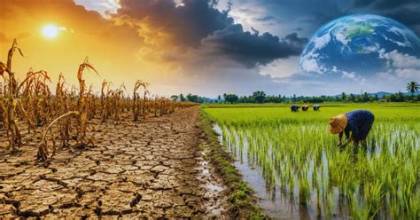
Weather concerns can add another layer of uncertainty. Drought, excessive rainfall, heatwaves and other adverse conditions may affect crop yields, harvesting operations and production forecasts. Even the prospect of lower output in major exporting regions can influence market expectations.
However, the precise contribution of each factor depends on the cereal involved, the region affected and prevailing market conditions.
Impact on Food-Importing Countries
Countries that depend heavily on imported wheat, maize or other cereals may be particularly exposed to international price increases. Higher import costs can place pressure on national food budgets, food-processing industries and government programmes designed to maintain affordable staple supplies.
The impact can extend to consumers through higher prices for flour, bread, animal feed and other cereal-based products. The extent and timing of these effects depend on domestic inventories, import contracts, currency movements, transport expenses and the ability of businesses to absorb additional costs.
Low-income households are especially vulnerable because food represents a large proportion of their total expenditure. Rising staple prices can reduce the amount of money available for healthcare, education and other essential needs.
For governments, sustained increases in cereal prices may complicate efforts to balance food affordability, public spending and agricultural market stability.
Implications for Farmers and Agricultural Markets
Higher international grain prices can create opportunities for producers who have marketable surpluses. Farmers may receive improved prices where increases in global markets are transmitted to domestic markets.
Nevertheless, higher cereal prices do not automatically translate into higher farm incomes. Rising expenses for fertilizers, fuel, irrigation, machinery and transportation can offset potential gains. Farmers also face uncertainty related to weather, yields, storage and access to markets.
Livestock producers may encounter additional pressure if maize and other grains used in animal feed become more expensive. Increased feed costs can influence the production costs of meat, milk and eggs, potentially transmitting price pressure across the wider food system.
Measures to Strengthen Food Security
Governments and agricultural stakeholders can reduce vulnerability to cereal-market volatility through several measures. These include maintaining effective food reserves, diversifying import sources, improving storage infrastructure and reducing post-harvest losses.
Investment in climate-resilient agriculture, improved seeds, efficient irrigation and timely weather information can also help strengthen domestic production. Better market information and transparent trade policies can support farmers, traders and policymakers in responding to changing supply conditions.
Targeted assistance for vulnerable households may help preserve access to essential foods during periods of elevated prices.
Outlook for Global Grain Markets
The September increase in the FAO Cereal Price Index underscores the importance of monitoring international grain supplies and trade conditions. Future price movements will depend on production outcomes, export availability, weather developments, transportation costs and changes in global demand.


 By