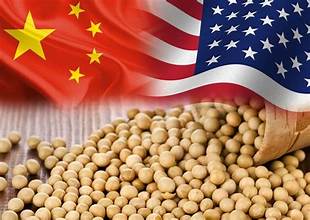
Fresh soybean purchases by China are providing support to the US soybean market, helping offset price pressure from expectations of a large domestic harvest. The latest export sales have highlighted the importance of Chinese demand in global oilseed trade and its potential influence on agricultural commodity prices.
According to Reuters market reporting dated October 21, the US Department of Agriculture (USDA) confirmed private sales of 114,000 metric tonnes of soybeans to China. The announcement brought confirmed soybean sales over a four-day period to a reported total of 1.472 million tonnes.
The purchases come as traders assess the balance between expanding seasonal supplies and demand from major international buyers. While a large US harvest can weigh on prices by increasing available supplies, stronger export sales may provide support by improving expectations for overseas demand.
China Remains a Key Player in Global Soybean Trade
China is one of the world’s largest soybean importers, with demand driven largely by its livestock feed, poultry and pork industries, as well as its domestic crushing sector.
Imported soybeans are processed to produce soybean meal, which is widely used in animal feed, and soybean oil, which serves the food industry and other markets. Changes in Chinese purchasing activity can therefore influence several connected agricultural commodity markets.
When Chinese buyers increase purchases from the United States, the additional demand can support export sales expectations and improve sentiment among traders. However, the overall effect depends on the volume and timing of shipments, competing supplies from other exporting countries and the pace of Chinese import demand.
Export Sales Provide Support Amid Harvest Pressure
The US soybean market is navigating two opposing forces. On one side, seasonal harvesting is bringing new supplies into the market, potentially increasing availability for domestic processors and international buyers.
On the other side, fresh export orders can absorb a portion of those supplies and strengthen expectations for US shipments. The reported sales to China have consequently attracted market attention as traders evaluate whether export demand can help balance the seasonal increase in production.
Nevertheless, announced sales do not necessarily translate immediately into completed shipments. Market participants also monitor export inspections, weekly sales reports, shipment schedules and changes in outstanding export commitments.
The effect on prices will depend on whether demand remains strong enough to absorb available supplies over the coming weeks and months.
Implications for Farmers and Agricultural Businesses
Soybean prices are important for US farmers making decisions about selling harvested crops, storing grain or entering forward marketing contracts. Stronger export demand may improve market sentiment, although local cash prices also depend on transportation costs, processing demand, storage availability and regional supply conditions.
Agricultural traders and exporters must monitor international purchasing patterns, shipping capacity and competition from alternative suppliers. Changes in trade flows can affect the movement of soybeans between producing regions, ports and overseas markets.
For the wider agricultural sector, soybean prices also influence the economics of animal feed and vegetable oil production. Significant price movements can affect feed manufacturers, livestock producers, processors and food businesses.
Global Competition Remains Important
The United States competes with other major soybean-producing and exporting countries, particularly Brazil and Argentina. Seasonal harvest timing, crop production estimates, currency movements and export prices influence which suppliers are most attractive to international buyers.
Chinese purchasing decisions may shift between origins depending on relative prices, delivery schedules, quality requirements and trade conditions. As a result, stronger demand for US soybeans should be assessed alongside developments in South American production and global oilseed availability.
Outlook for the Soybean Market
The reported sales of 1.472 million tonnes over four days indicate a notable period of confirmed Chinese demand for US soybeans. However, the sustainability of the market support will depend on future purchases, actual shipment volumes, harvest supplies and competition from other exporters.


 By