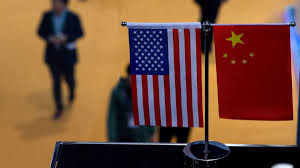
China has announced retaliatory measures in response to recently imposed U.S. tariffs, escalating trade tensions between the two economic giants. As part of the countermeasures, Beijing has increased import levies on approximately $21 billion worth of American agricultural and food products, a move that could significantly impact U.S. exporters.
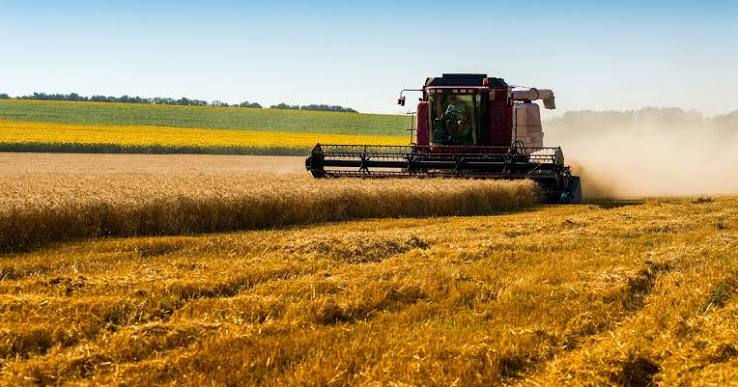
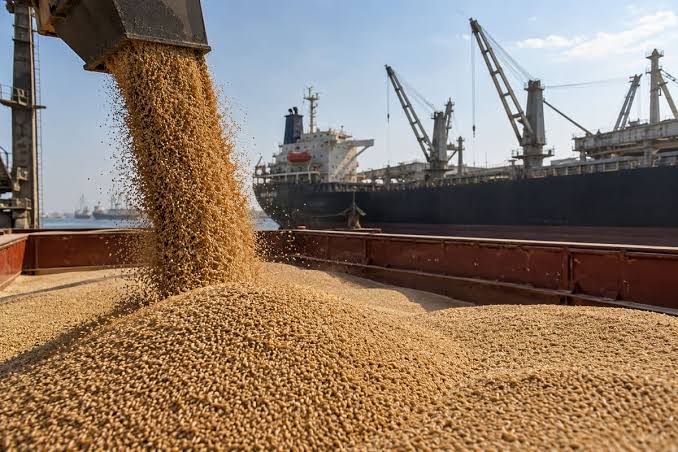
The list of affected products includes key commodities such as soybeans, pork, dairy products, and fruits, which form an important part of U.S. agricultural exports to China. These tariffs are expected to influence trade flows, alter global market dynamics, and create uncertainty for farmers and exporters who rely on access to the Chinese market.
China’s decision comes shortly after the United States implemented additional tariffs targeting a broad range of Chinese goods. Officials in Beijing stated that the countermeasures are a necessary step to protect domestic industries and ensure fair trade practices. By levying higher tariffs on American agricultural products, China aims to send a clear message regarding its stance on trade disputes while signaling its readiness to defend its economic interests.
The move is likely to have wide-ranging effects on both countries’ agricultural sectors. U.S. farmers and food producers could face declining demand for their products in one of their largest overseas markets, while Chinese importers may seek alternative suppliers from other countries. Analysts warn that prolonged trade tensions could lead to volatility in global commodity prices, affecting markets beyond the United States and China.
Trade experts note that the escalating tariff measures highlight the complexities of international trade relations in an increasingly interconnected global economy. While both nations have emphasized the importance of negotiation and dialogue, immediate economic pressures are pushing governments to adopt protective measures to shield domestic industries.
In response to China’s actions, U.S. agricultural stakeholders have expressed concern over potential revenue losses and the need for government support to mitigate the impact. Discussions are ongoing regarding possible strategies, including subsidies, market diversification, and diplomatic engagement to address trade imbalances.
The U.S.-China trade dispute underscores the challenges of maintaining stable trade relations amid competing economic priorities. As both countries implement measures to protect their respective industries, the agricultural sector remains one of the most directly affected, reflecting the broader consequences of international trade conflicts on global markets.

 By