Australia’s agricultural sector is on track for a record-breaking year, with total production forecast to increase by US $685 million in the 2025–26 financial year, according to a new report published by InDaily. The surge is being driven by robust growth in livestock, milk, and poultry production, signaling renewed strength in the country’s agri-economy after several challenging seasons.
Livestock and Dairy Lead the Expansion
Analysts attribute much of the expected growth to higher livestock numbers, improved pasture conditions, and a rebound in milk yields supported by favorable weather and strong export demand. The poultry industry is also expected to expand due to rising domestic consumption and improved efficiency in feed conversion and production systems.
Export Potential and Market Dynamics
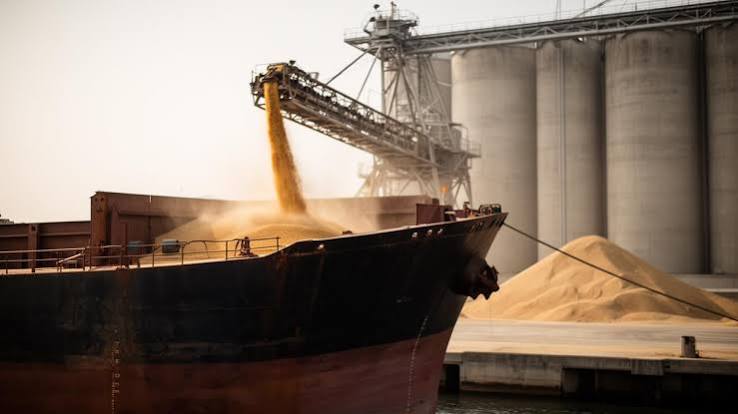
Australia remains a major exporter of beef, dairy, and grains, and this production boost is likely to enhance the country’s export competitiveness. However, analysts caution that an increase in global supply could exert downward pressure on international market prices, especially for meat and dairy commodities.
Implications for Global Markets
The forecasted growth in Australian agriculture could influence trade balances and commodity flows across key importing nations in Asia and the Middle East. For export-oriented agribusinesses, monitoring price movements and adapting to changing demand dynamics will be critical to maintaining profitability.
Sustained Focus on Productivity and Sustainability
Industry experts note that Australia’s agricultural success continues to rely on technology adoption, climate resilience, and efficient resource management. Continued investment in these areas will help sustain productivity growth while minimizing environmental impact.
Outlook: Positive but Competitive
With favorable production conditions and strong international demand, Australia’s agricultural outlook remains highly positive. Yet, the global market impact of increased supply could test exporters’ margins making strategic trade positioning and value-chain efficiency more important than ever.

 By