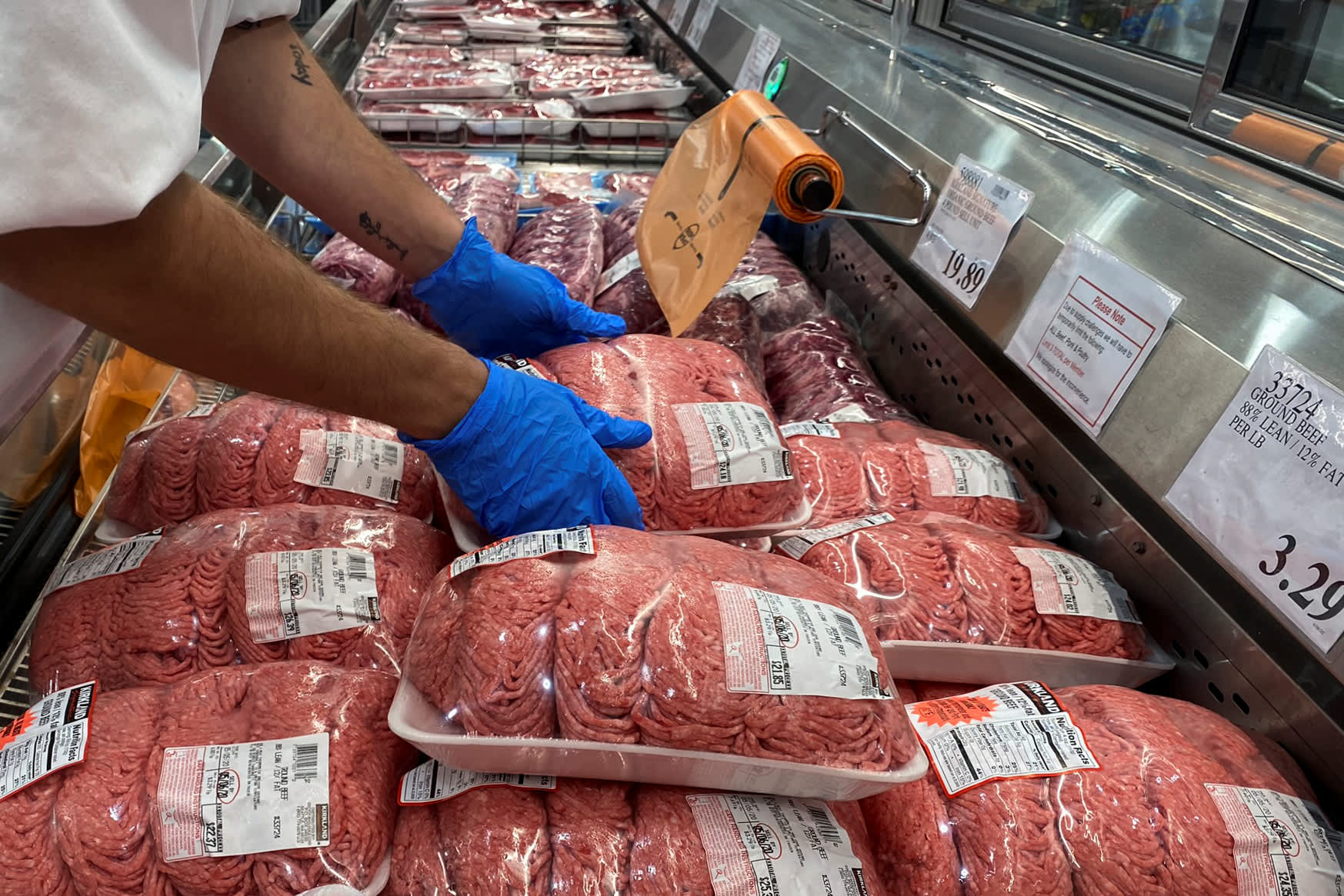
At the World Meat Congress held in Cuiabá, supply-chain leaders and policymakers from across the globe discussed the far-reaching effects of U.S. meat supply-chain disruptions on international agriculture. The discussions revealed how recent policy changes, trade shifts, and market realignments particularly those introduced during Donald Trump’s administration continue to reshape the global meat and livestock industry.
Policy and Trade Reforms Redefining Global Flows
Experts noted that U.S. trade policies over the past few years have altered the flow of agricultural goods worldwide. Tariff adjustments, export restrictions, and evolving trade agreements have forced producers and importers to diversify markets and restructure supply routes, especially in the beef and pork sectors.
Impact on Global Meat Markets
These policy shifts have not only affected U.S. exporters but also influenced global meat prices, supply stability, and investment decisions across key producing regions like South America, Europe, and Asia. Countries such as Brazil and Argentina have capitalized on the opportunity to expand exports to markets once dominated by U.S. suppliers, while Asian buyers have sought to secure more diversified sources of protein.
Industry Leaders Urge Greater Coordination
Participants at the Congress emphasized the need for international coordination to strengthen the resilience of meat supply chains. They highlighted the importance of transparent trade policies, predictable market regulations, and sustainable production practices to avoid future disruptions.
Lessons for Global Agriculture
The U.S. meat supply-chain disruptions serve as a reminder of how interconnected and interdependent the world’s agricultural systems have become. A policy decision in one major exporting nation can have cascading effects—impacting feed markets, livestock prices, and food availability worldwide.
Outlook: Toward a More Adaptive Global System
Industry experts agree that the future of global meat trade will depend on adaptive supply networks, regional diversification, and innovation in logistics and production. The conversations in Cuiabá underscored that resilience and cooperation are now central to maintaining stability in a rapidly evolving agricultural landscape.

 By