A recent report by Farmonaut® outlines seven groundbreaking advances in gene-editing technologies, particularly CRISPR, that are redefining global agricultural research and plant breeding programs. These innovations are expected to play a central role in improving crop resilience, productivity, and climate adaptability in the years ahead.
Seven Key Advances in Agricultural Gene Editing
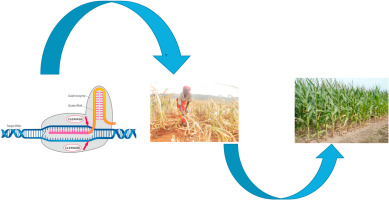
The report identifies several transformative areas where CRISPR (Clustered Regularly Interspaced Short Palindromic Repeats) is making rapid progress:
- Precision Trait Improvement – Enhancing drought, heat, and pest resistance in major crops such as rice, wheat, and maize.
- Nutritional Enhancement – Boosting micronutrient content and improving food quality in staple grains and pulses.
- Faster Breeding Cycles – Cutting the time required for new variety development through precise genome modification.
- Disease Resistance – Developing varieties resistant to viral, fungal, and bacterial pathogens.
- Environmental Sustainability – Reducing fertilizer and pesticide dependency through targeted genetic changes.
- Livestock and Aquaculture Applications – Using CRISPR for healthier, more efficient animal and fish production systems.
- Gene Regulation Tools – Improving control over gene expression to fine-tune crop performance under stress conditions.
Biotechnology Driving the Future of Farming
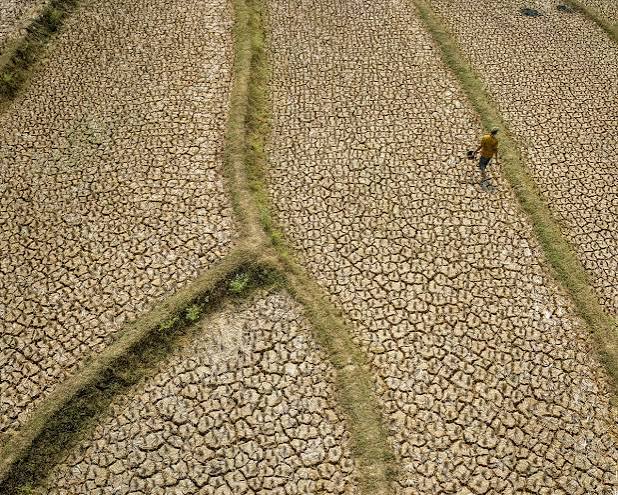
Experts say that biotechnology-led innovations are critical to meeting global food security challenges, particularly as climate change intensifies. Gene-editing technologies enable scientists to develop crops that can thrive under extreme weather, use resources more efficiently, and reduce post-harvest losses.
Implications for India and Emerging Economies
For India, where climate variability, pest outbreaks, and declining soil health continue to affect yields, gene-editing offers a major opportunity. However, experts emphasize that the regulatory framework and public breeding systems must evolve to match the pace of scientific progress. Streamlined approval processes, research funding, and public-private partnerships will be essential to bring CRISPR-based innovations from labs to fields.
Global Momentum and Ethical Considerations
Countries like the United States, China, and Brazil have already advanced regulatory approvals for gene-edited crops, accelerating commercialization. Meanwhile, discussions on biosafety, ethics, and farmer access remain central to ensuring responsible adoption of the technology.
Outlook: A New Era in Agricultural Science
With 2025 marking a turning point for gene-editing integration in agriculture, CRISPR stands at the forefront of the next green revolution. Its potential to create high-yielding, climate-resilient, and resource-efficient crops makes it one of the most powerful tools shaping the future of global food systems.


 By