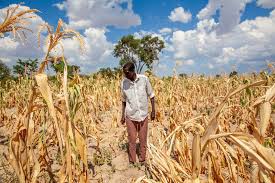
A new Global Weather Hazards Summary released by the Famine Early Warning Systems Network (FEWS NET) highlights a series of climate-related threats expected between November 6 and 12, 2025, warning that extreme weather events — including droughts, floods, and heatwaves — are likely to impact agriculture, food production, and rural livelihoods across multiple regions worldwide.
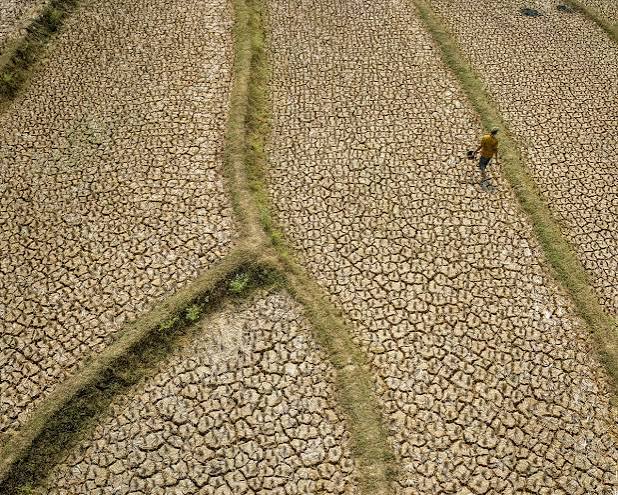
According to the report, severe drought conditions continue to persist across parts of East Africa, particularly in Ethiopia, Kenya, and Somalia, where prolonged rainfall deficits have depleted water resources and stressed both crops and livestock. The delayed seasonal rains have hindered planting activities and reduced pasture growth, further deepening food insecurity in vulnerable communities.
Meanwhile, heavy rainfall and flooding are forecast across sections of Southeast Asia and Central America, including areas of Cambodia, Vietnam, and Honduras. These floods pose a serious risk to recently planted rice and maize fields, while also threatening infrastructure and displacing rural populations. In parts of South Asia, saturated soils could lead to localized landslides and crop damage, particularly in hilly farming areas.
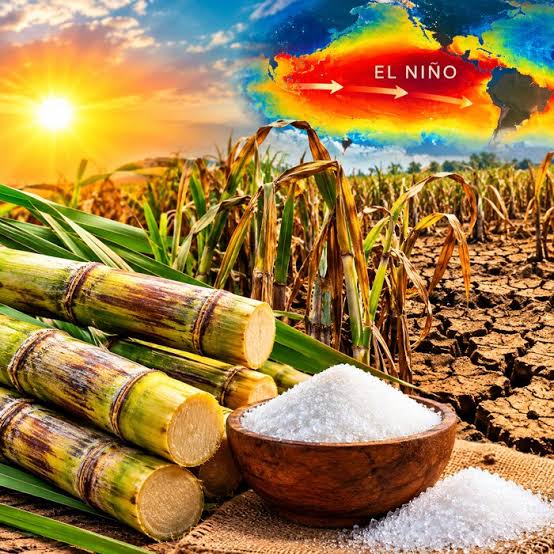
The report also draws attention to rising temperatures and heat stress across portions of southern Africa and South America, where above-average heat is expected to affect soil moisture levels and accelerate evaporation rates. These conditions could undermine yield potential for key crops such as maize, soybeans, and sugarcane.
In addition to immediate agricultural losses, FEWS NET warns that such overlapping climate hazards may trigger long-term food security challenges. Reduced harvests, livestock deaths, and disruptions to food supply chains are likely to push vulnerable households toward crisis levels of hunger in already fragile regions.
Experts emphasize the importance of early warning systems and adaptive responses to minimize the damage. Governments and humanitarian agencies are urged to scale up drought relief programs, flood management infrastructure, and agricultural resilience initiatives to safeguard farmers’ livelihoods. Efforts such as improved water storage, drought-tolerant seeds, and community-based climate monitoring could play a critical role in mitigating future risks.
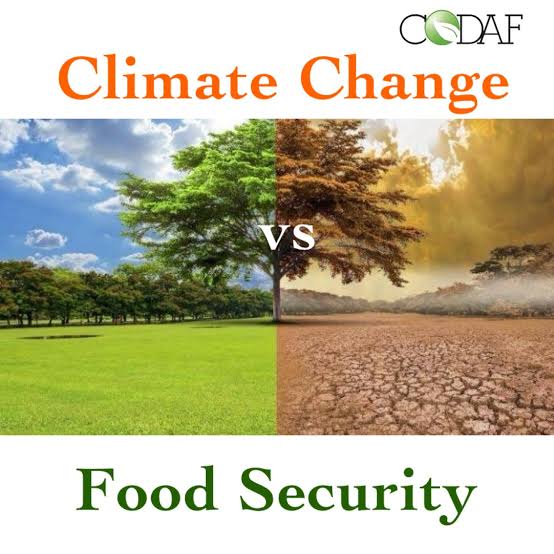
The FEWS NET summary concludes that the persistence and overlap of multiple weather hazards serve as a reminder of the growing volatility of global climate patterns. Without sustained adaptation and climate action, the report warns, the frequency and intensity of such events will continue to threaten food systems and livelihoods worldwide.


 By