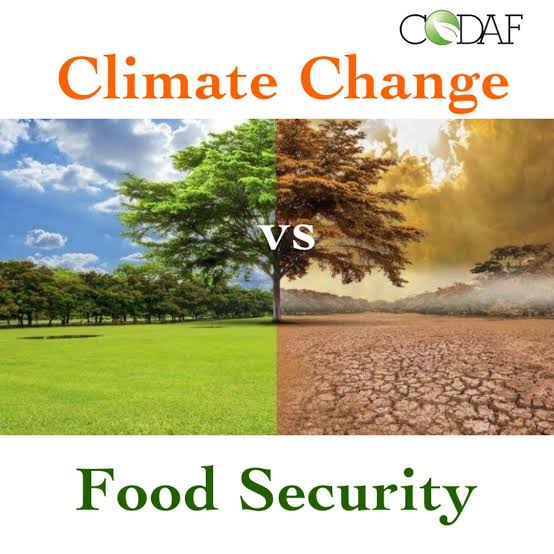
As climate variability intensifies across the globe, the agricultural sector is increasingly turning toward advanced digital tools to build resilience and safeguard productivity. A recent analysis highlighted by ICL emphasizes that integrating satellites, IoT devices, digital platforms and advanced analytics can significantly strengthen farming systems against climate-related shocks.
The report explains that traditional inputs—such as seeds, fertilizers and irrigation—are no longer sufficient on their own to counteract rising climate pressures. Unpredictable weather patterns, severe heat stress, shifting monsoon cycles and new pest outbreaks demand smarter, real-time decision support. This is where data-driven agriculture is beginning to demonstrate transformative potential.
Satellite-based monitoring allows high-resolution tracking of crop health, soil moisture, vegetation stress and weather movements. When combined with IoT sensors on the ground—measuring soil nutrients, humidity, temperature and water levels—farmers gain a precise understanding of field conditions hour by hour. These insights can inform timely decisions on irrigation, fertilisation and pest management, reducing losses during climate extremes.
Analytics platforms further enhance this capability by interpreting vast data streams and turning them into actionable guidance. Machine learning models can forecast yield outcomes, assess risk zones, and predict pest or disease flare-ups well before they become damaging. In many regions, such predictive tools are helping farmers allocate resources more efficiently, optimise inputs and reduce vulnerability to climate shocks.
Digitalisation also improves access to climate advisories, early warning systems and farm-level alerts. Farmers can receive real-time notifications about incoming heatwaves, heavy rainfall or shifting wind patterns—allowing them to take protective measures such as adjusting irrigation, covering sensitive crops or delaying field operations.
Relevance for India
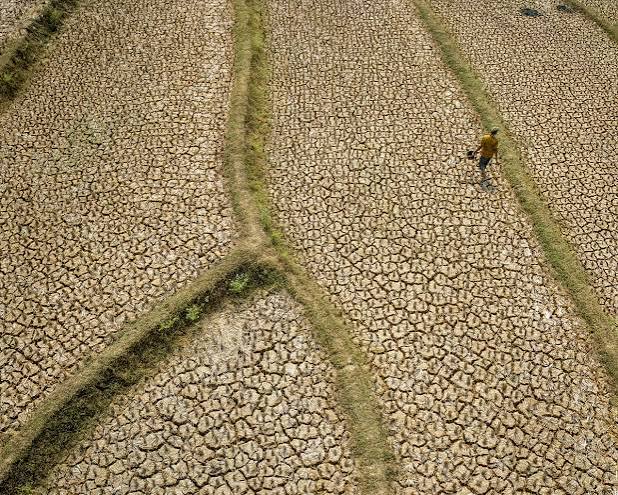
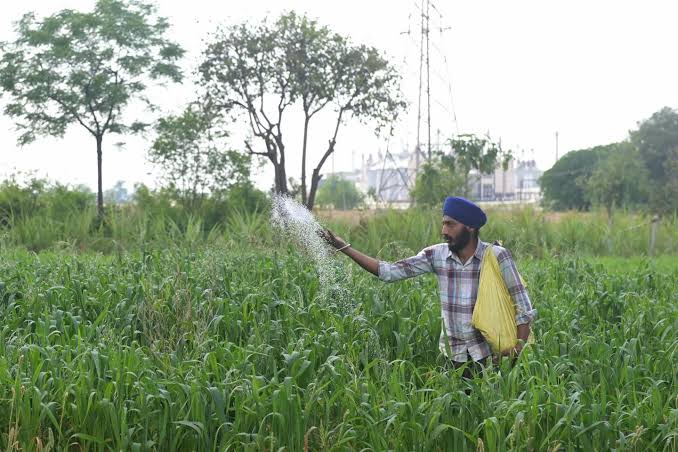
For India, where agriculture is deeply influenced by monsoon behaviour and rising temperatures, these innovations hold significant promise. Data-driven tools can help farmers navigate rainfall uncertainty, minimise heat-related crop damage and respond faster to emerging pest pressures. Precision irrigation powered by IoT, for instance, can optimise water usage during erratic monsoon seasons, while satellite-guided advisories can support drought- or flood-prone districts with timely insights.
As climate risks continue to escalate, the shift toward digital and analytical solutions is becoming not just beneficial but essential. Strengthening climate-resilient agriculture will depend on how effectively data, technology and innovation are integrated into everyday farm practices—ensuring farmers are equipped to adapt, withstand and thrive in a changing environment.


 By
By