Global agricultural markets are entering a period of greater stability after several years of sharp fluctuations, according to the latest 2025 baseline update released by the Food and Agricultural Policy Research Institute at the University of Missouri (FAPRI–MU). The report indicates that both crop and livestock sectors are experiencing more balanced supply–demand conditions, helping ease the price volatility that defined recent seasons.
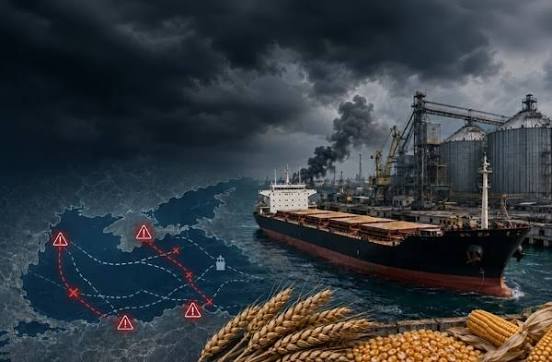
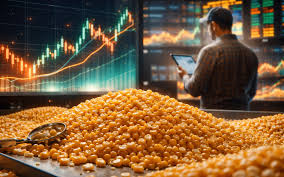
FAPRI–MU notes that global commodity prices, which surged due to pandemic disruptions, weather extremes, and geopolitical tensions, have now begun to cool. Improved harvests in major producing regions, steady expansion of livestock production, and more predictable trade flows have all contributed to this moderation. While prices remain above long-term historical averages, the institute highlights that the sharp spikes and unpredictable swings seen over the past few years have eased significantly.
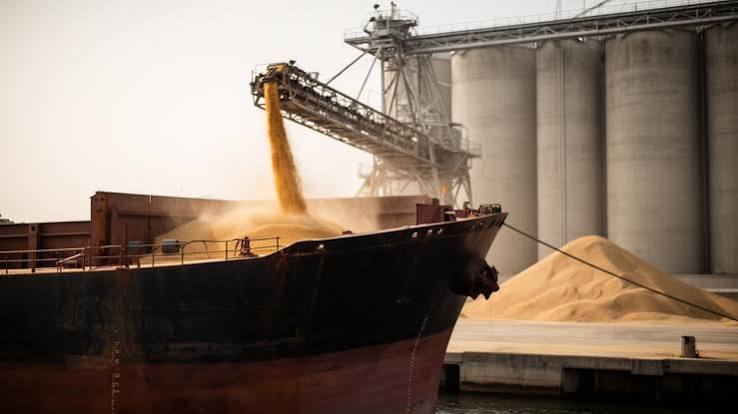
The report also points to improved market confidence as supply chains recover from previous shocks. Transportation costs have normalized, input markets such as fertilizers and feed have stabilized, and inventories for several key crops are gradually rebuilding. As a result, producers and buyers alike are experiencing fewer disruptions, creating a more favourable environment for planning and investment.
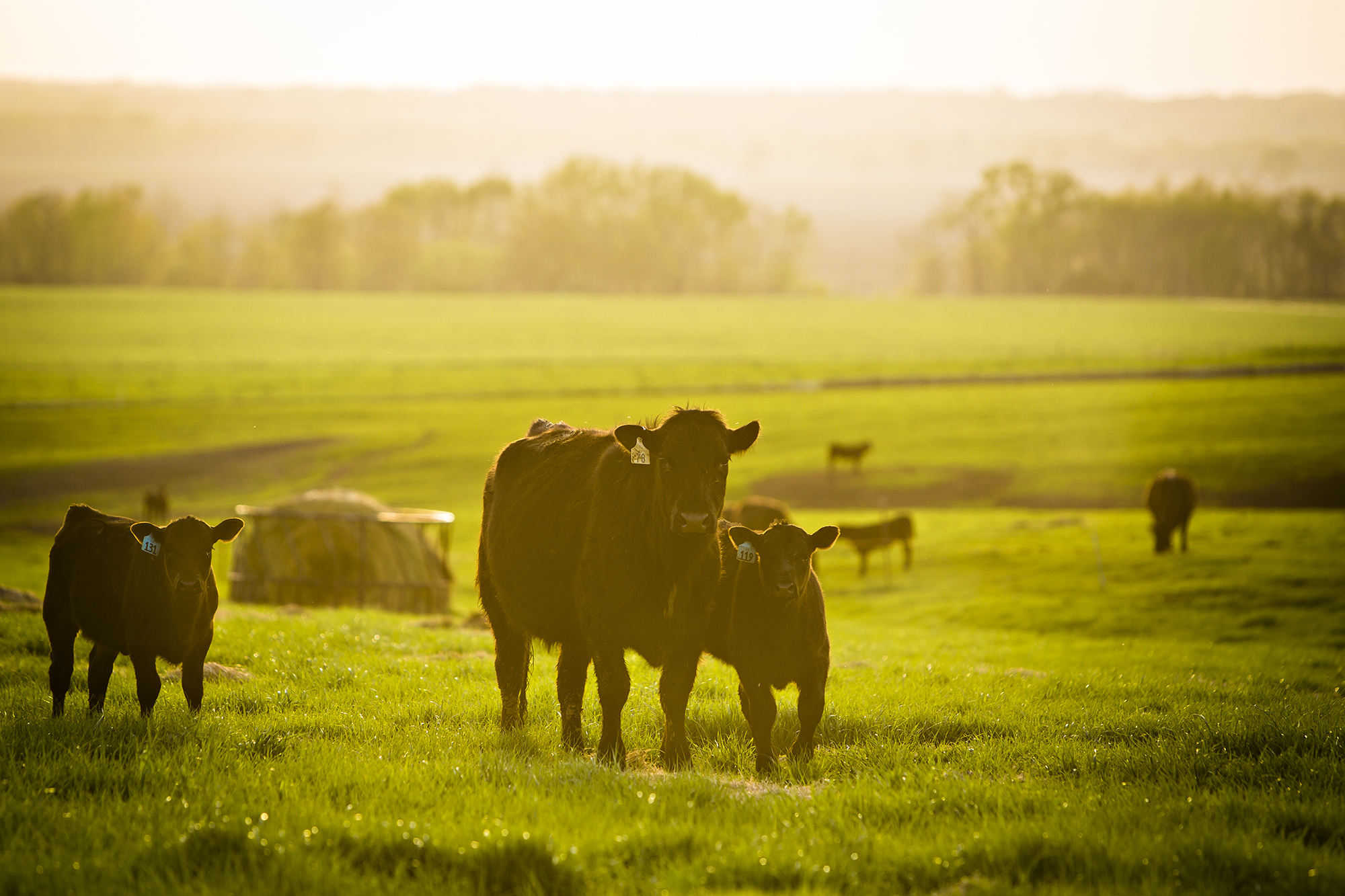
In the livestock sector, stabilization is driven by a combination of controlled feed prices and rising production efficiency. Many countries have strengthened herd rebuilding efforts following disease outbreaks and supply shortages, helping restore regular market flows. Demand remains solid, supported by gradual economic recovery in several regions.
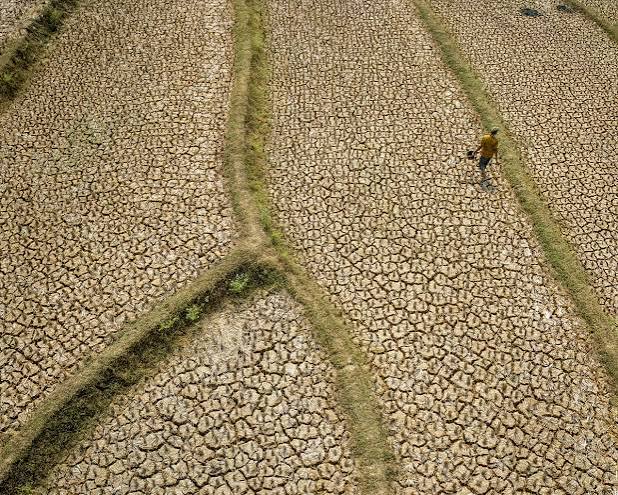
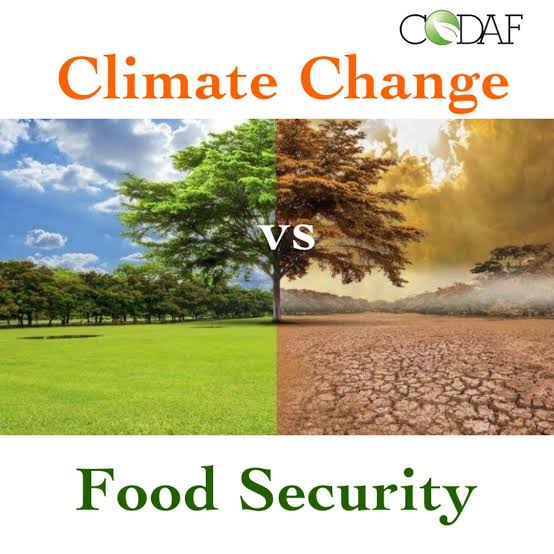
Despite the improved outlook, FAPRI–MU cautions that risks remain. Climate variability, geopolitical tensions, and shifting trade policies could still impact production and market conditions. However, the overall forecast suggests that global agriculture is returning to a more predictable pattern, offering relief to farmers, traders, and consumers worldwide.
The report’s findings indicate a positive shift for the global food economy, with greater stability expected to support smoother trade, reduced uncertainty, and better long-term planning across the agricultural value chain.Global agricultural markets are entering a period of greater stability after several years of sharp fluctuations, according to the latest 2025 baseline update released by the Food and Agricultural Policy Research Institute at the University of Missouri (FAPRI–MU). The report indicates that both crop and livestock sectors are experiencing more balanced supply–demand conditions, helping ease the price volatility that defined recent seasons.
FAPRI–MU notes that global commodity prices, which surged due to pandemic disruptions, weather extremes, and geopolitical tensions, have now begun to cool. Improved harvests in major producing regions, steady expansion of livestock production, and more predictable trade flows have all contributed to this moderation. While prices remain above long-term historical averages, the institute highlights that the sharp spikes and unpredictable swings seen over the past few years have eased significantly.
The report also points to improved market confidence as supply chains recover from previous shocks. Transportation costs have normalized, input markets such as fertilizers and feed have stabilized, and inventories for several key crops are gradually rebuilding. As a result, producers and buyers alike are experiencing fewer disruptions, creating a more favourable environment for planning and investment.
In the livestock sector, stabilization is driven by a combination of controlled feed prices and rising production efficiency. Many countries have strengthened herd rebuilding efforts following disease outbreaks and supply shortages, helping restore regular market flows. Demand remains solid, supported by gradual economic recovery in several regions.
Despite the improved outlook, FAPRI–MU cautions that risks remain. Climate variability, geopolitical tensions, and shifting trade policies could still impact production and market conditions. However, the overall forecast suggests that global agriculture is returning to a more predictable pattern, offering relief to farmers, traders, and consumers worldwide.
The report’s findings indicate a positive shift for the global food economy, with greater stability expected to support smoother trade, reduced uncertainty, and better long-term planning across the agricultural value chain.

 By
By