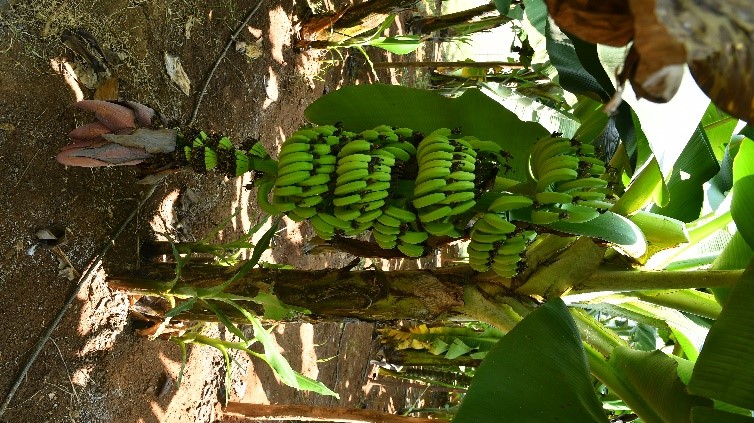
India has marked a historic milestone in agricultural science with the launch of Kaveri Vaaman, the country’s first mutant banana variety developed through gamma-ray mutagenesis. Released by the Bhabha Atomic Research Centre (BARC) station ARC, in collaboration with ICAR–National Research Centre for Banana (NRCB), the variety represents a pioneering step in nuclear agriculture and promises transformative benefits for both large-scale farmers and home growers.
The unveiling took place on a quiet November afternoon in Mumbai, but its impact is expected to echo across India’s banana-growing regions for years to come. Developed through years of radiation-induced mutation breeding, extensive screening, and rigorous field testing, Kaveri Vaaman offers a suite of advantages that address some of the most persistent challenges in banana cultivation.
A New Era of Banana Farming
Kaveri Vaaman is designed to provide higher resilience, faster maturity, and lower cultivation costs, all without compromising the flavour and quality of the widely favored Grande Naine variety. The plant’s shorter stature is a game-changing feature for growers in coastal and high-wind zones, where traditional tall varieties often topple and lead to heavy losses.
For farmers, this innovation translates into:
- Significantly reduced lodging, eliminating the need for bamboo supports
- Earlier ripening—1.5 months ahead of traditional varieties, ensuring quicker crop cycles
- Lower input costs and more predictable harvests
- Suitability for high-density planting, enabling higher yields per acre
For urban and small-scale growers, the variety’s manageable height and robust structure make it ideal for terrace gardening and compact spaces, bringing premium-quality bananas to households with ease.
Strengthening India’s Science-Led Agriculture
The development of Kaveri Vaaman marks a decisive advancement in India’s pursuit of sustainable, science-driven crop improvement. It showcases how nuclear techniques—long applied in medicine, energy, and industry—are now elevating agriculture by creating climate-smart, resource-efficient crops.
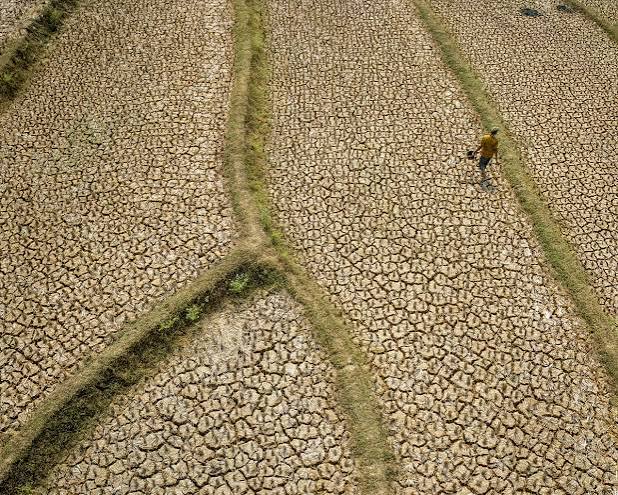
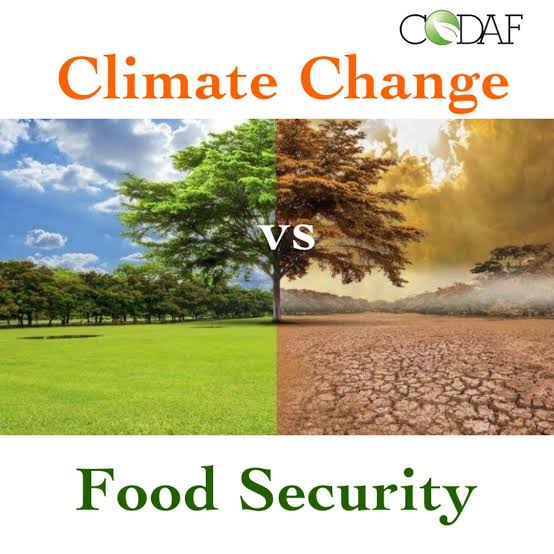
At a time when climate variability threatens traditional agriculture, this innovation demonstrates how the synergy of advanced science and practical farming needs can shape the future of food security.
Kaveri Vaaman stands as a powerful testament to what India can achieve when laboratories and farmlands work in harmony—paving the way for a new generation of resilient, farmer-friendly crops.

 By
By