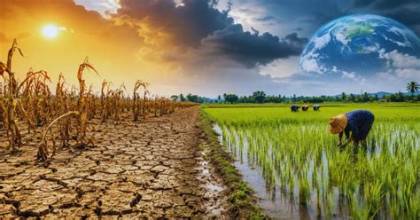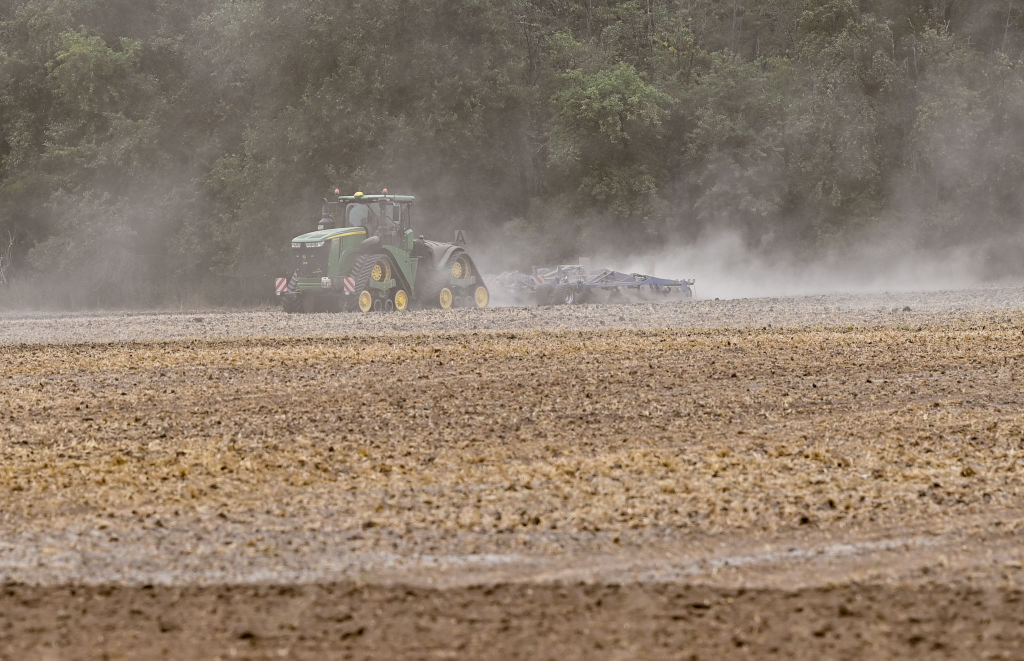
A recent report by the Food and Agriculture Organization (FAO) highlights the urgent global challenge of land degradation, estimating that human-driven soil loss has reduced crop yields by at least 10 percent for approximately 1.7 billion people worldwide. The findings underscore the profound impact of unsustainable land-use practices on agricultural productivity, rural livelihoods, and global food security.
The report, titled “Addressing Land Degradation Across Landholding Scales”, identifies key drivers of soil degradation, including deforestation, overgrazing, and intensive monoculture cropping. These practices not only diminish the fertility of agricultural lands but also exacerbate vulnerabilities to climate change, erosion, and biodiversity loss.
“Land is the foundation of food security, yet millions of hectares are being degraded every year,” said a senior FAO official. “Unless we adopt integrated land management strategies and sustainable farming practices, the global population will face increasingly severe food and livelihood challenges.”
The FAO calls for a combination of policy and practical interventions to reverse or mitigate land degradation. Recommendations include integrated land-use planning, promotion of agroecological methods, reforestation programs, and support for smallholder farmers who are disproportionately affected by soil depletion.
Experts stress that these interventions are not just environmental imperatives but also economic necessities. Degraded lands reduce agricultural output, forcing farmers to expand into marginal areas, increasing production costs, and intensifying pressures on ecosystems. Addressing land degradation, therefore, is critical for maintaining long-term agricultural productivity and ensuring the resilience of rural communities.
The report also highlights the role of international cooperation in tackling this global issue. Sharing knowledge, technology, and investment in sustainable land management practices can help countries protect soil health while enhancing food security.
With the world population projected to reach nearly 9.8 billion by 2050, the FAO warns that restoring and sustainably managing farmland is essential to meet growing food demand. Immediate action is needed to prevent further degradation, safeguard rural livelihoods, and ensure a stable and resilient food system for future generations.

 By
By