

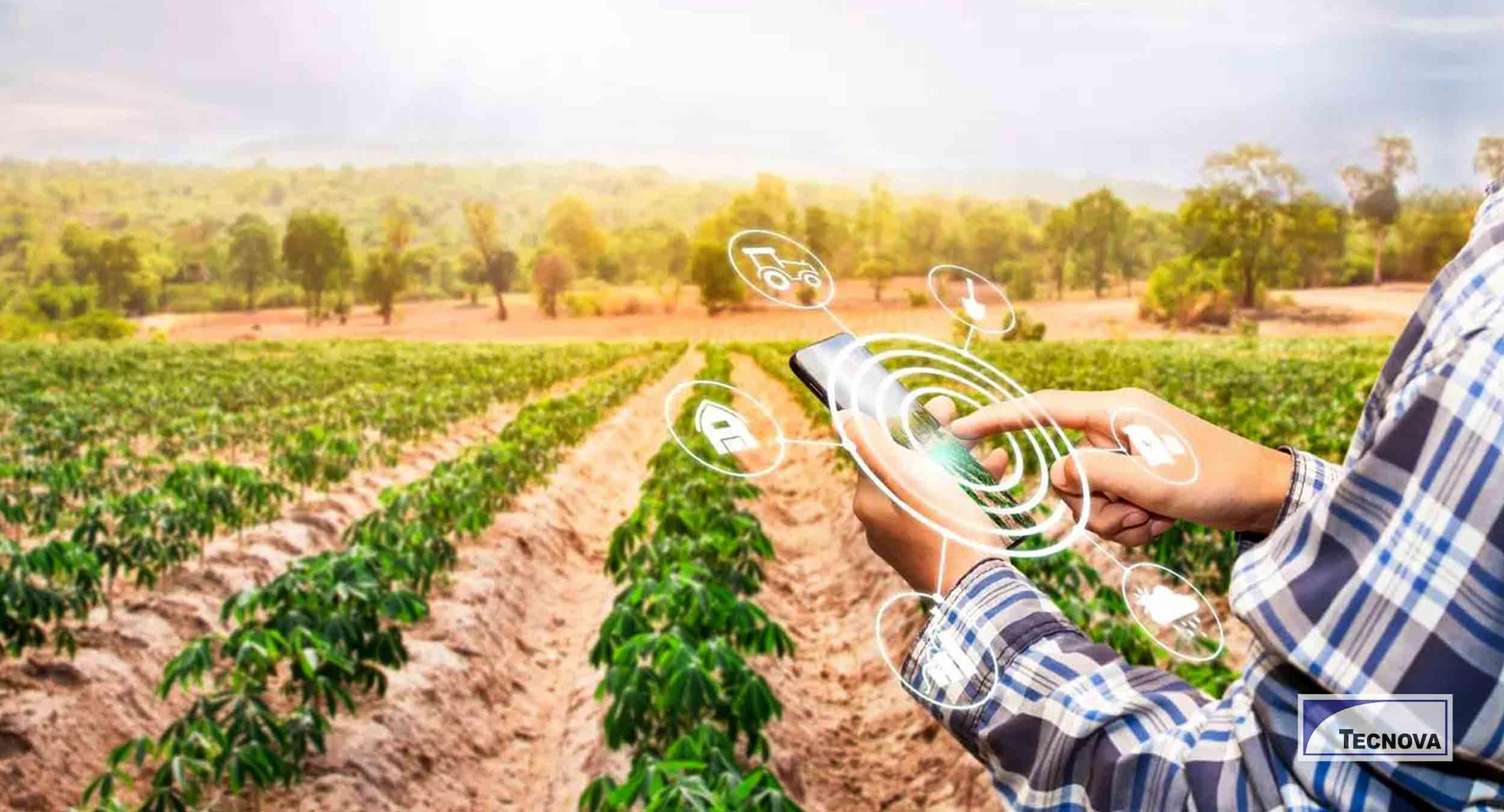
The Government of India is taking significant steps to enhance agricultural productivity, farmer incomes, and sustainability through agri-tech innovation, digital agriculture, and technical agrotextiles.
Union Agriculture and Farmer Welfare Minister, Shri Shivraj Singh Chouhan, emphasized in the Rajya Sabha that under Prime Minister Shri Narendra Modi’s leadership, the government has focused on three key objectives: increasing production, reducing costs, and ensuring fair prices for farmers. He highlighted that in 2019, the government committed to setting Minimum Support Prices (MSP) with a 50% profit over costs. Shri Chouhan also announced that the government will procure 100% of pulses such as tur, masoor, and urad directly from farmers, reinforcing its primary goal of farmer welfare.
In line with technological advancement, the Ministry of Agriculture and Farmer Welfare has promoted agri-tech startups and emerging technologies, including Artificial Intelligence (AI), precision farming, drones, and climate-smart agriculture. Under the National Agriculture Development Scheme (RKVY), the “Innovation and Agri-Entrepreneurship Development” program has supported over 2,096 startups with technical and financial aid totaling ₹168.14 crore. Over 6,000 startups have been trained through 6 knowledge partners and 24 agri-business incubators across the country, fostering innovations in IoT, ICT, post-harvest technologies, supply chains, organic farming, and green energy.
Drone technology has been actively encouraged under the Sub-Mission on Agricultural Mechanization (SMAM), with farmers, Farmer Producer Organizations (FPOs), and women self-help groups receiving financial support for drone procurement and usage in farm operations. The government has launched the “Namo Drone Didi” initiative to provide 15,000 drones to women self-help groups, enhancing efficiency, yield, and livelihoods.
Digital agriculture initiatives, including the Digital Agriculture Mission, aim to build a comprehensive digital public infrastructure (DPI) through platforms like AgriStack. This includes geo-referenced village maps, crop sowing registries, and farmer databases, enabling timely, reliable, and farmer-centric information for improved decision-making. The Mahalanobis National Crop Forecast Centre (MNCFC) uses satellite and geospatial technologies to forecast crop production, monitor droughts, and support the Pradhan Mantri Fasal Bima Yojana (PMFBY) for crop insurance.
Additionally, the Ministry of Textiles has promoted technical agrotextiles to improve productivity and climate resilience. Under the National Technical Textiles Mission, 14 research projects on agricultural textiles have been approved, and a Climate-Smart Agrotextiles Demonstration Centre has been established in Navsari, Gujarat, training over 576 farmers so far. These initiatives focus on cost reduction, sustainable practices, and resilient agriculture.
Through these combined efforts, the government is leveraging technology, innovation, and digital tools to empower farmers, enhance productivity, and strengthen India’s agricultural ecosystem.


 By
By











