The UK government has unveiled a new animal welfare strategy that includes bans on pig farrowing crates and chicken colony cages, prompting concern among farmers about the potential impact on domestic competitiveness. While animal welfare groups have welcomed the move as a major step forward, agricultural producers caution that the reforms could raise costs for UK farms and expose them to unfair competition from imports produced under lower welfare standards.
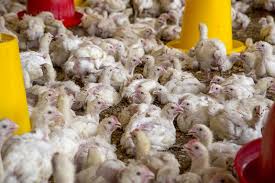
Under the new regulations, pig farmers will no longer be allowed to use farrowing crates, commonly employed to restrict sows’ movement during the birthing process, while poultry operations must phase out conventional battery cages in favor of higher-welfare systems. Government officials say the measures aim to improve living conditions for farm animals and align domestic standards with consumer expectations.
However, farmers argue that the reforms come at a high cost. Transitioning to new housing systems requires significant investment in infrastructure, equipment, and labor, potentially increasing production expenses. They warn that imported pork and poultry, produced under less stringent welfare rules abroad, could enter the UK market at lower prices, putting domestic producers at a disadvantage.
Industry representatives are calling for safeguards, such as import standards or labeling requirements, to ensure fair competition. They stress that without such measures, UK farmers may struggle to maintain profitability while meeting higher welfare standards.
The government has emphasized that the strategy is part of a broader commitment to sustainable and ethical farming practices. Officials say they are exploring mechanisms to support farmers during the transition, including financial assistance and technical guidance.
As the policy moves toward implementation, the agricultural sector faces the challenge of balancing ethical improvements in animal welfare with economic realities. The debate highlights the tension between raising standards at home and remaining competitive in a global food market.

 By
By