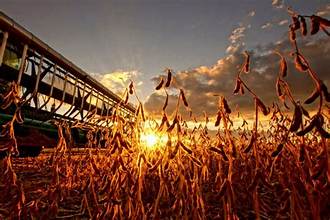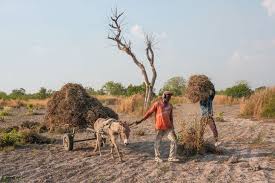
Across Africa, a growing number of young people are returning to agriculture as rising urban living costs and limited job opportunities make city life increasingly unsustainable. What was once seen as a last resort is now being reimagined as a viable and even attractive livelihood, driven by innovation, entrepreneurship, and targeted support programs.
In many major African cities, the cost of housing, food, transportation, and basic services has risen faster than wages. For young graduates and informal workers alike, stable employment has become harder to secure, pushing many to reconsider rural opportunities. Agriculture, which employs more than half of Africa’s workforce, is emerging as a practical alternative—particularly when combined with modern business approaches.
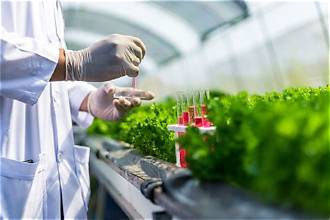
Unlike traditional subsistence farming, today’s youth-led agricultural ventures often focus on value chains such as horticulture, poultry, aquaculture, and agribusiness services. Young farmers are increasingly adopting improved seeds, digital tools, irrigation systems, and market-oriented production models. Mobile technology plays a key role, enabling access to weather forecasts, mobile payments, online marketplaces, and extension services.
Governments, development agencies, and private organizations are also contributing to this shift. Training programs in agribusiness management, access to microfinance, startup grants, and cooperative models are helping young farmers reduce risk and improve profitability. In several countries, youth-focused initiatives now link agriculture with climate-smart practices, addressing both employment and environmental sustainability.
The return to farming is also reshaping migration patterns. With better income prospects at home, fewer young people feel compelled to migrate to overcrowded cities or attempt dangerous journeys abroad. Rural communities benefit as well, as youth investment brings renewed energy, skills, and innovation to aging farming populations.
However, challenges remain. Access to land, affordable credit, and reliable infrastructure continues to limit growth in many regions. Climate variability, including droughts and floods, also poses significant risks. Addressing these issues will require consistent policy support and long-term investment.
Despite these obstacles, the trend signals a broader transformation. For many young Africans, agriculture is no longer just about survival—it is becoming a pathway to entrepreneurship, food security, and economic resilience. As urban pressures persist, farming may increasingly define the future of youth employment across the continent.

 By
By