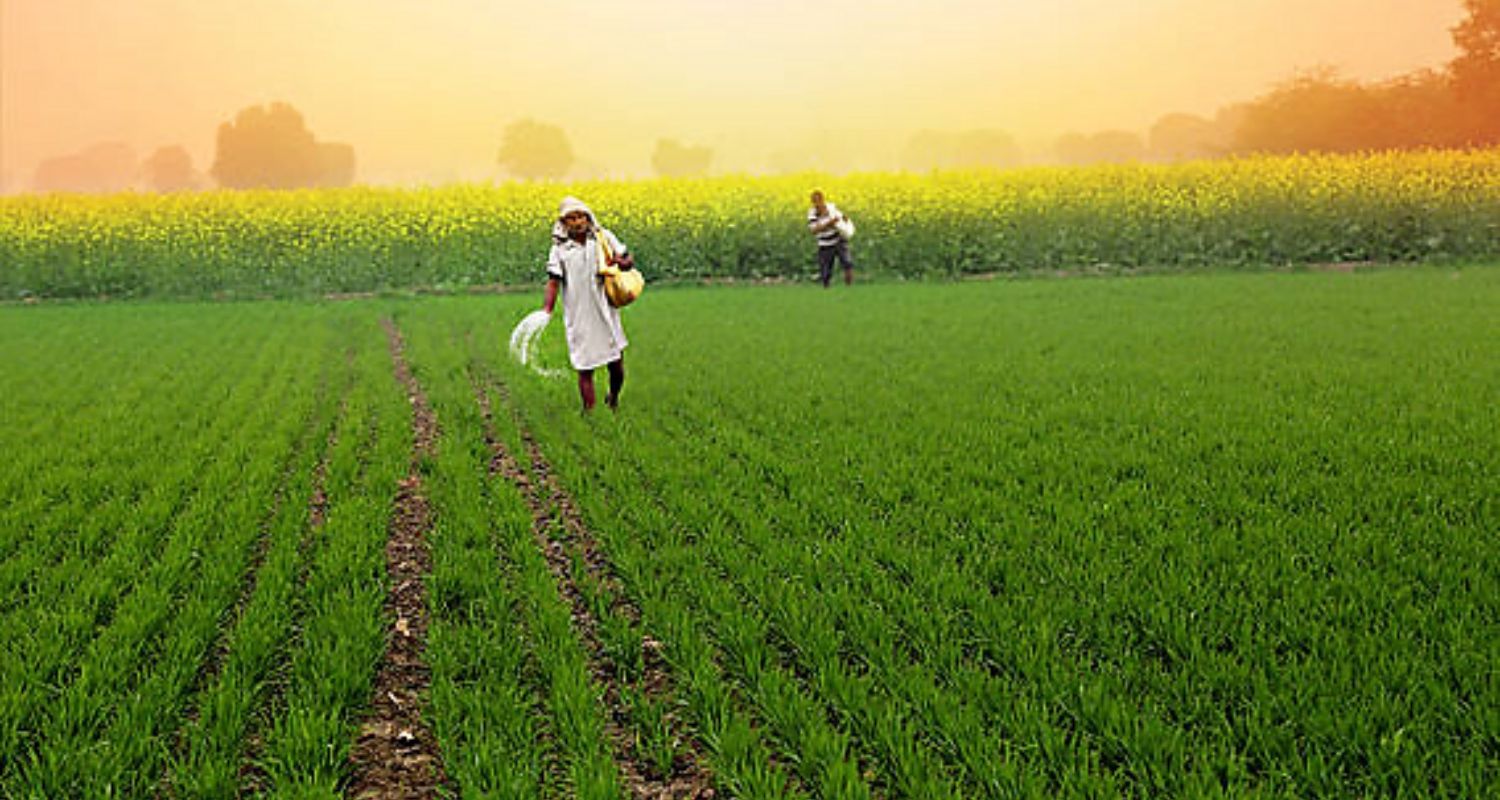
India’s agriculture sector is set to achieve record foodgrain production in 2025, driven by favorable monsoon conditions and government policies aimed at supporting farmers. The milestone reflects a combination of climatic advantages, input cost reductions, and ongoing efforts to modernize the sector, even as international trade pressures pose new challenges.
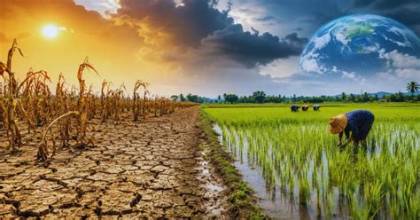
Key factors contributing to the record output include recent cuts in the Goods and Services Tax (GST) on essential farm inputs such as fertilizers, seeds, and machinery. These measures have lowered production costs for farmers, enabling wider adoption of improved inputs and mechanization. Alongside financial incentives, the sector has benefited from abundant rainfall during the monsoon season, which supported crop growth across major producing regions.
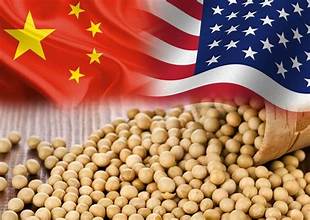
Despite these gains, Indian farmers face uncertainties in international markets. U.S. tariffs on select agricultural commodities have complicated export opportunities, underscoring the importance of domestic demand and policy support to sustain growth. In response, stakeholders are focusing on strengthening supply chains, quality standards, and market access to maintain competitiveness abroad.
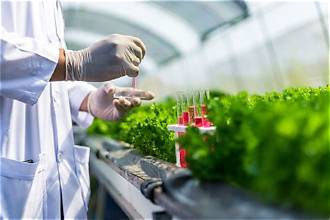
Looking ahead, 2026 is expected to bring new regulatory frameworks aimed at ensuring high-quality inputs for farmers. Proposed legislation covering seeds and pesticides is designed to improve crop yields, safeguard farmer incomes, and reduce dependence on substandard or counterfeit products. Such measures are anticipated to complement existing government schemes and enhance the resilience of India’s agricultural sector.
Beyond production, the record output has broader economic and social implications. It supports national food security, stabilizes prices, and reinforces rural livelihoods, which are critical to the country’s overall economic stability. Government initiatives in irrigation, rural infrastructure, and technology adoption have also played a role in sustaining these gains.
Overall, India’s agricultural performance in 2025 highlights the combined impact of policy support, favorable climatic conditions, and modernization efforts. While global trade uncertainties remain, continued investment in quality inputs, mechanization, and sustainable farming practices positions the sector for long-term growth and resilience.

 By
By