Artificial intelligence–powered precision agriculture technologies are gaining prominent industry recognition, highlighting the rapid pace of technological adoption across modern farming systems. Among the innovations drawing attention are ultra-precision input application tools, such as AI-enabled sprayers that significantly reduce chemical use while improving operational efficiency.
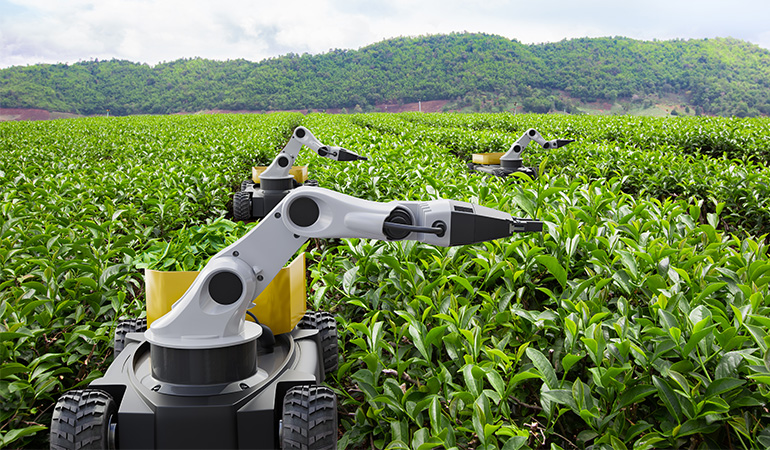
One widely cited example is the new generation of ultra-precision sprayers that use advanced computer vision and machine learning to identify crops and weeds in real time. These systems apply herbicides only where needed, rather than across entire fields. By targeting individual plants, farmers can achieve substantial reductions in chemical use, lower input costs, and minimize environmental impact without compromising crop protection.
Industry awards and innovation rankings have increasingly featured such AI-driven products, reflecting their growing acceptance by producers and agribusinesses. The recognition underscores how digital technologies are moving beyond pilot projects and into practical, scalable solutions for commercial agriculture. Precision tools are now being adopted across a range of crops and farm sizes, particularly in regions facing rising input costs and tighter environmental regulations.
Beyond crop protection, AI-based technologies are reshaping multiple aspects of farm management. Decision-support platforms analyze data from sensors, satellites, and machinery to optimize planting, irrigation, and nutrient application. Autonomous and semi-autonomous equipment is reducing labor constraints, while data analytics is improving yield forecasting and risk management.
Experts note that the appeal of these technologies lies in their ability to deliver measurable returns on investment. Reduced chemical use, improved efficiency, and better compliance with sustainability standards are driving adoption, especially as farmers seek to balance productivity with environmental stewardship.
The growing recognition of AI-powered ag tech also reflects broader shifts in the agricultural innovation ecosystem. Startups, equipment manufacturers, and research institutions are increasingly collaborating to bring advanced technologies to market faster. At the same time, investors and policymakers are showing greater interest in solutions that support climate-smart and resource-efficient farming.
As AI-driven precision tools continue to earn industry accolades, their role in shaping the future of agriculture is becoming clearer. These innovations signal a transition toward more data-driven, sustainable, and resilient farming systems worldwide.

 By
By