The use of artificial intelligence (AI) in agriculture is set for major growth over the coming decade, as farmers and agribusinesses increasingly turn to digital technologies to improve productivity, efficiency, and sustainability. The global AI in agriculture market is projected to expand sharply—from about $2.6 billion in 2024 to nearly $16 billion by 2032—reflecting rising demand for smarter, data-driven farming solutions.
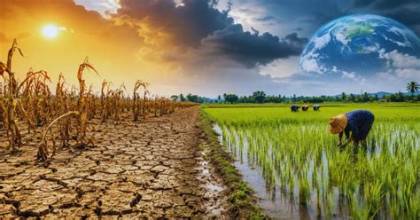
This growth is being driven by the need to produce more food using fewer resources, at a time when agriculture faces mounting pressure from climate change, labor shortages, rising input costs, and environmental constraints. AI-powered tools are helping farmers make better decisions by analyzing large volumes of data from satellites, drones, sensors, and farm machinery.
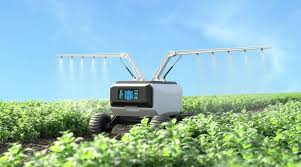
One of the key areas of adoption is precision farming, where AI systems optimize the use of water, fertilizers, and pesticides by applying them only where and when they are needed. This not only reduces costs but also minimizes environmental impact. AI-based yield prediction models are also improving crop planning, allowing farmers to anticipate production levels and manage risks more effectively.
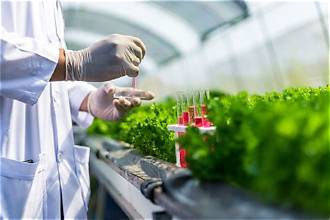
AI is playing a growing role in crop and soil monitoring, with image recognition and machine learning algorithms detecting early signs of disease, pest infestations, and nutrient deficiencies. Early intervention can significantly reduce crop losses and lower the need for chemical treatments. In livestock farming, AI tools are being used to monitor animal health, feeding behavior, and productivity, improving welfare and operational efficiency.
The expansion of AI in agriculture is particularly important for large-scale commercial farms, but adoption is also increasing among small and medium-sized producers as digital tools become more affordable and accessible. In emerging economies, AI-enabled advisory platforms delivered through mobile applications are helping farmers access real-time recommendations on weather, irrigation, and crop management.
Governments and private investors are accelerating this trend by supporting agri-tech innovation, digital infrastructure, and climate-smart agriculture programs. Agribusiness companies are also integrating AI into seed development, supply chain management, and quality control.
Despite strong growth prospects, challenges remain. Limited digital literacy, data privacy concerns, and uneven access to connectivity can slow adoption in some regions. However, as technology matures and costs decline, AI is expected to become a core component of modern farming systems.
Overall, the rapid expansion of AI in agriculture signals a transformative shift toward more resilient, efficient, and sustainable food production—reshaping how crops are grown and managed across the globe.

 By
By