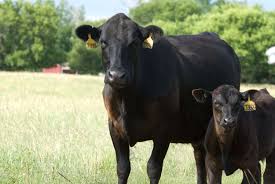
China has announced the implementation of safeguard measures on beef imports, introducing additional tariffs aimed at supporting domestic producers after an official investigation found a sharp surge in imported beef volumes. The move is expected to have notable implications for global beef trade flows and exporting countries that rely heavily on access to the Chinese market.
According to Chinese authorities, the safeguard action follows a detailed review of import trends, which indicated that rising volumes of relatively low-priced beef were placing significant pressure on local cattle farmers and processors. The investigation concluded that domestic producers were facing declining margins and increased competition, warranting temporary protective measures under international trade rules.
The new tariffs will apply to a range of beef products entering China and are intended to slow the pace of imports while allowing domestic production to stabilize. Officials emphasized that the measures are time-bound and designed to provide relief rather than permanently restrict trade. Beijing stated that the decision is consistent with World Trade Organization safeguard provisions, which allow countries to act when import surges threaten serious injury to domestic industries.
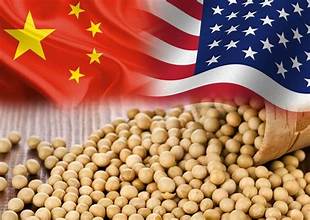
China is one of the world’s largest beef consumers and importers, with demand rising steadily due to changing dietary preferences and growing urban incomes. In recent years, countries such as Brazil, Argentina, Australia, and the United States have significantly expanded beef shipments to China. The safeguard tariffs are therefore likely to prompt exporters to reassess shipment volumes and explore alternative markets.
Industry analysts suggest that while the curbs may temporarily reduce import growth, China’s long-term beef demand will continue to exceed domestic supply. As a result, imports are expected to remain an important component of the country’s meat supply, even as authorities seek to strengthen local production through policy support and efficiency improvements.
For global markets, the decision introduces short-term uncertainty, particularly for exporters heavily exposed to China. Price adjustments, shifts in trade routes, and increased competition in other importing regions may follow.
China’s safeguard action highlights the delicate balance between protecting domestic agriculture and maintaining stable global trade relationships, underscoring how policy decisions in major markets can rapidly reshape international commodity flows.


 By
By