

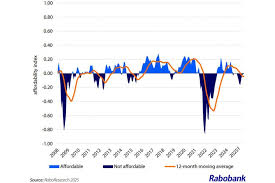
Global fertilizer markets are entering 2025 under the influence of multiple economic, geopolitical, and agronomic factors that continue to shape prices and availability. Market analysts indicate that while extreme volatility seen in recent years has moderated, fertilizer costs remain sensitive to energy prices, supply chain dynamics, and regional demand patterns, with direct implications for farm input affordability and crop production decisions.
Nitrogen fertilizers are expected to remain closely linked to global energy markets, particularly natural gas prices, which are a key cost component in ammonia and urea production. Any disruption in gas supply or sharp price movements could quickly translate into higher nitrogen fertilizer prices. Although new production capacities in some regions are helping stabilize supply, geopolitical tensions and energy policy shifts continue to pose upside risks.
Phosphate fertilizer prices are being influenced by steady demand from major agricultural economies and constraints related to raw material availability. Export policies, environmental regulations, and production costs in key supplying countries are shaping market sentiment. Analysts suggest that phosphate prices in 2025 are likely to remain firm, especially during peak planting seasons, as countries prioritize domestic food security and input availability.
Potash markets are showing signs of gradual normalization following supply disruptions in previous years. Expanded output and improved trade flows are easing some pressure, but prices are still higher than long-term historical averages. Demand from grain and oilseed producers, particularly in Asia and Latin America, is expected to support prices, while currency movements may influence regional affordability.
Beyond supply fundamentals, fertilizer demand in 2025 will also be shaped by farm economics. High interest rates, fluctuating crop prices, and tighter credit conditions in some regions are encouraging farmers to optimize input use. This is driving greater adoption of precision nutrient management, soil testing, and efficiency-focused application strategies aimed at maintaining yields while controlling costs.
Sustainability considerations are also playing a growing role in fertilizer markets. Policy initiatives promoting nutrient efficiency, reduced emissions, and balanced fertilization are influencing both product development and usage patterns. Enhanced-efficiency fertilizers and digital decision-support tools are gaining attention as farmers seek to improve returns on input investments.
Overall, the fertilizer outlook for 2025 points to a market that is more stable than in recent years but still exposed to external shocks. For farmers and policymakers alike, managing fertilizer affordability will remain critical to sustaining crop production, protecting farm incomes, and ensuring global food security in an increasingly complex agricultural landscape.


 By
By











