

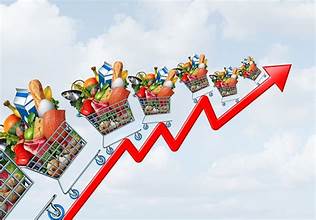
Global food prices witnessed an upward trend in March 2026, driven largely by rising energy costs linked to ongoing tensions in the Middle East. According to the Food and Agriculture Organization (FAO), the increase in fuel prices has directly impacted agricultural production, transportation, and supply chains, leading to higher food costs worldwide.
Energy plays a critical role in modern agriculture, influencing everything from irrigation and fertilizer production to harvesting and distribution. As fuel prices rise, farmers face increased input costs, which are often passed on to consumers in the form of higher food prices. The situation is particularly concerning for developing countries that rely heavily on food imports and are more vulnerable to global price fluctuations.
The FAO has cautioned that if geopolitical tensions in the Middle East continue for a prolonged period, the pressure on global food systems could intensify further. Higher energy prices may discourage agricultural investments and limit the use of essential inputs such as fertilizers, potentially reducing crop yields in upcoming seasons.
In addition, supply chain disruptions caused by conflict can slow down the movement of agricultural goods across regions, further tightening global supply. This combination of reduced production and logistical challenges creates a scenario where food prices could remain elevated in the near future.
Experts also warn that climate-related challenges, including droughts and unpredictable weather patterns, are compounding the situation. When combined with geopolitical instability, these factors create a complex risk environment for global food security.
The FAO continues to monitor the situation closely and has urged countries to adopt coordinated strategies to stabilize food markets. These include improving supply chain resilience, promoting sustainable farming practices, and ensuring the availability of essential agricultural inputs.
As global uncertainties persist, the rise in food prices serves as a reminder of how interconnected energy, geopolitics, and agriculture have become. Ensuring food security in such conditions will require both immediate policy responses and long-term structural reforms.


 By
By











