

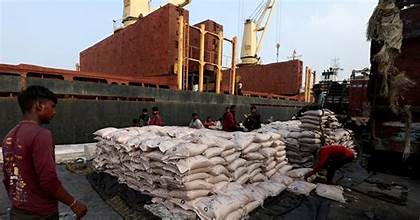
India has clarified that it will not impose a ban on sugar exports, bringing relief to global markets that were anticipating potential supply disruptions. The announcement has helped stabilize trade expectations and eased concerns among importing countries dependent on Indian sugar.
As one of the world’s largest sugar producers and exporters, India plays a critical role in the global sugar supply chain. Any restriction on its exports typically leads to sharp price movements in international markets. The government’s decision to maintain export flows signals confidence in domestic production levels and stock availability.
Officials indicated that the country has sufficient sugar reserves to meet both domestic consumption and export commitments. This balanced approach aims to support farmers and sugar mills while ensuring that domestic prices remain stable for consumers.
The clarification comes at a time when global sugar markets are already under pressure due to weather-related uncertainties in other major producing countries. By continuing exports, India is expected to contribute to market stability and prevent excessive price volatility.
Industry experts believe that the decision will strengthen India’s position as a reliable supplier in the global market. It also provides greater predictability for international buyers, who often rely on consistent export policies for long-term procurement planning.
At the same time, the government is expected to closely monitor production trends, ethanol blending requirements, and domestic demand to ensure that the supply-demand balance remains intact. If necessary, export volumes may still be regulated through quotas or other mechanisms rather than a complete ban.
Overall, India’s stance reflects a measured policy approach—supporting global trade while safeguarding national interests—thereby reinforcing confidence in the international sugar market.


 By
By











