

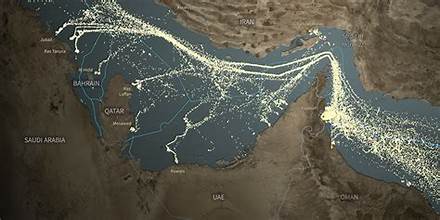
A growing geopolitical flashpoint in the Strait of Hormuz is raising alarm across global agrifood systems, with the Food and Agriculture Organization (FAO) warning that prolonged tensions in the region could trigger a far-reaching food crisis.
The Strait of Hormuz, a narrow yet critical maritime corridor connecting the Persian Gulf to global markets, handles nearly one-fifth of the world’s oil trade. Any disruption in this chokepoint has immediate implications for energy prices, shipping costs, and the availability of essential agricultural inputs. FAO analysts caution that the ripple effects of instability in this region extend far beyond energy markets, directly threatening global food production and affordability.
One of the most pressing concerns is the potential disruption in fertilizer exports. Countries in the Gulf region are key suppliers of nitrogen-based fertilizers, which are heavily dependent on natural gas as a feedstock. A spike in energy prices or supply interruptions could lead to a sharp increase in fertilizer costs, making it unaffordable for farmers, particularly in developing economies. Reduced fertilizer application would, in turn, result in lower crop yields, tightening global food supplies.
Energy price volatility is another major risk factor. Agriculture is highly energy-intensive, from irrigation and mechanization to transportation and processing. A sustained rise in fuel prices would significantly increase production and logistics costs across the food value chain. These added costs are often passed on to consumers, contributing to food inflation and exacerbating food insecurity, especially among vulnerable populations.
Shipping disruptions in the Strait could further compound the crisis. Delays or rerouting of vessels would increase freight costs and delivery times for essential commodities such as grains, edible oils, and fertilizers. Countries heavily reliant on imports, particularly in Africa and parts of Asia, could face acute shortages and price spikes. FAO has emphasized that even short-term disruptions can destabilize already fragile food systems.
The situation also poses risks to global trade flows. Major exporters of agricultural commodities may face logistical bottlenecks, while importing nations could struggle to secure timely supplies. This imbalance could lead to market speculation, hoarding, and increased volatility in global food prices. Historical precedents show that such conditions often trigger policy responses like export bans, which can further aggravate supply shortages.
Climate-related stresses add another layer of vulnerability. Many regions are already grappling with erratic weather patterns, water scarcity, and declining soil fertility. Any additional shock—such as reduced access to fertilizers or higher input costs—could significantly undermine agricultural productivity. FAO warns that the convergence of geopolitical and environmental risks could push global food systems toward a tipping point.
In response, international organizations are urging coordinated action to mitigate risks. Strengthening strategic reserves, diversifying supply chains, and investing in sustainable agricultural practices are among the recommended measures. FAO also highlights the importance of maintaining open trade channels and avoiding protectionist policies that could worsen the crisis.
As tensions in the Strait of Hormuz persist, the global community faces a critical test of resilience. The evolving situation underscores the interconnected nature of energy, agriculture, and food security, and the urgent need for proactive measures to safeguard the world’s food systems.


 By
By











