

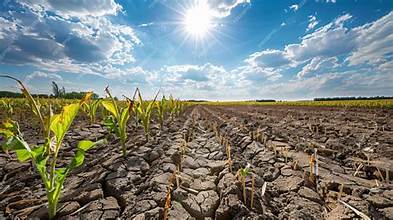
The United States is grappling with an escalating agricultural crisis as extreme drought conditions and intense heatwaves continue to devastate key farming regions. Experts warn that the combination of prolonged dry weather and soaring temperatures is severely impacting crop production, livestock health, and overall food supply chains, raising concerns about both domestic and global food security.
Large parts of the Midwest and Western United States—regions often referred to as the backbone of the country’s agricultural output—are experiencing some of the driest conditions in decades. Soil moisture levels have dropped sharply, leaving farmers struggling to sustain staple crops such as corn, soybeans, and wheat. In many areas, crops are wilting before reaching maturity, resulting in significant yield losses.
The ongoing drought has also placed immense pressure on water resources. Reservoirs and rivers that support irrigation systems are running critically low, forcing farmers to reduce water usage or abandon crops altogether. This situation is particularly severe in states like California, where agriculture heavily depends on irrigation infrastructure. As water scarcity deepens, competition among agricultural, industrial, and urban users is intensifying.
Livestock producers are equally affected by the harsh climate conditions. Pastures have dried up, reducing the availability of natural feed for cattle. As a result, many ranchers are being forced to sell off their herds earlier than planned, leading to a noticeable decline in cattle numbers. This trend is expected to have long-term consequences for the meat and dairy sectors, potentially tightening supply and pushing prices higher in the coming months.
Rising feed costs are compounding the problem. With crop production declining, the price of animal feed has surged, increasing operational costs for farmers and livestock producers. These increased costs are gradually being passed on to consumers, contributing to higher prices for essential food items such as grains, meat, and dairy products.
The drought is also disrupting agricultural labor and rural economies. Farm incomes are under pressure as yields fall and input costs rise, while seasonal workers face reduced employment opportunities due to lower production levels. The broader economic impact is being felt across supply chains, including food processing, transportation, and retail sectors.
According to climate experts, the severity and frequency of such extreme weather events are increasing, making agriculture more vulnerable to climate variability. Scientists are urging the adoption of climate-resilient farming practices, including drought-resistant crop varieties, improved water management systems, and soil conservation techniques to mitigate future risks.
Government agencies and agricultural organizations are stepping in with emergency support measures, including financial aid, crop insurance assistance, and water management policies. However, analysts caution that short-term relief may not be sufficient to address the long-term structural challenges posed by climate change.
As the drought continues to intensify, the situation in the United States serves as a stark reminder of the fragility of global food systems. With the country being one of the world’s largest agricultural producers and exporters, any significant disruption in its output has far-reaching implications for international markets, potentially contributing to global food price volatility and supply uncertainties.
The coming months will be critical in determining the extent of the damage, but early indicators suggest that the impact of this severe drought could linger well beyond the current growing season.


 By
By











