

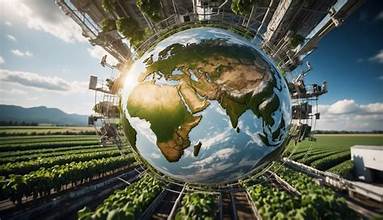
Global food systems and their deep interconnection with human, animal, and environmental health were at the forefront of discussions during the recent One Health Summit held in France. The high-level gathering brought together scientists, policymakers, and agricultural experts to examine how integrated approaches can address rising global challenges, including food insecurity, climate change, and public health risks.
The summit was anchored in the concept of “One Health,” a multidisciplinary framework that recognizes the intrinsic link between agriculture, ecosystems, and human well-being. Experts emphasized that modern food systems are not just about production and supply, but also about sustainability, nutrition, biodiversity, and disease prevention.
Participants highlighted how agricultural practices directly influence environmental outcomes such as soil health, water quality, and greenhouse gas emissions. In turn, environmental degradation can undermine food production and increase vulnerability to pests, diseases, and extreme weather events. This interconnected cycle underscores the need for holistic strategies that balance productivity with ecological sustainability.
A key focus of the summit was the role of agriculture in preventing future health crises. Experts pointed out that unsustainable farming practices and habitat destruction can increase the risk of zoonotic diseases—those transmitted from animals to humans. Strengthening biosecurity measures, promoting responsible livestock management, and conserving natural ecosystems were identified as critical steps to reduce such risks.
Nutrition also featured prominently in the discussions. Delegates stressed the importance of transforming food systems to deliver not just sufficient calories, but also nutritious and safe food. Malnutrition in all its forms—undernutrition, micronutrient deficiencies, and obesity—was cited as a major global concern that requires coordinated action across agriculture, health, and policy sectors.
Despite the broad consensus on the importance of integrated approaches, experts expressed concern over the lack of a clear and unified global policy direction. While many countries have adopted elements of the One Health framework, there is no standardized international roadmap to guide implementation. This fragmentation can limit the effectiveness of efforts to address complex, cross-sectoral challenges.
Funding and coordination were also identified as major bottlenecks. Many developing countries face resource constraints that hinder their ability to invest in sustainable agriculture, health infrastructure, and environmental protection. Participants called for increased international cooperation, knowledge sharing, and financial support to bridge these gaps.
The summit further highlighted the importance of data and technology in advancing One Health goals. Digital tools, early warning systems, and integrated monitoring platforms can help track emerging risks and improve decision-making. However, ensuring equitable access to such technologies remains a challenge, particularly in low-income regions.
Stakeholders also stressed the need for stronger collaboration between governments, research institutions, and the private sector. Public-private partnerships were seen as essential to drive innovation, scale up sustainable practices, and ensure that solutions are both practical and economically viable.
While the One Health Summit succeeded in reinforcing the urgency of transforming global food systems, it also exposed the complexities involved in aligning diverse interests and priorities. The absence of a cohesive global strategy remains a significant hurdle.
As global challenges continue to intensify, experts at the summit agreed that integrated, science-based approaches are no longer optional but essential. The path forward will require decisive policy action, sustained investment, and a commitment to collaboration across sectors to build resilient and sustainable food systems for the future.


 By
By











