

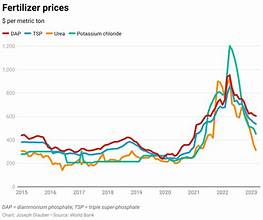
A sharp increase in global fertilizer prices is putting mounting pressure on farmers and food systems worldwide, as geopolitical tensions disrupt supply chains and drive up input costs. The surge, particularly in urea prices, is emerging as a major concern for agricultural productivity and food price stability in the months ahead.
Fertilizers—especially nitrogen-based products like urea—are critical for maintaining crop yields. However, their production is heavily dependent on natural gas, making them highly sensitive to fluctuations in energy markets. Ongoing geopolitical uncertainties have tightened energy supplies, pushing up manufacturing costs and, in turn, fertilizer prices across international markets.
Industry analysts report that urea prices have witnessed a significant spike in recent months, affecting both importing and exporting countries. For major agricultural economies, this translates into higher input costs at a time when farmers are already dealing with climate-related challenges such as droughts, erratic rainfall, and soil degradation.
The impact is particularly severe for small and medium-scale farmers, especially in developing regions. Rising fertilizer prices often force farmers to reduce application rates or switch to less effective alternatives, which can directly lower crop yields. This reduction in productivity not only affects farm incomes but also tightens overall food supply, contributing to inflationary pressures in global markets.
Countries heavily reliant on fertilizer imports are facing the brunt of the crisis. Disruptions in key exporting regions have led to delays and supply shortages, making it difficult for farmers to access essential inputs during critical sowing periods. In some cases, governments are stepping in with subsidies or price controls to shield farmers from the worst effects, but such measures can strain public finances.
The ripple effects of rising fertilizer costs are being felt across the entire agricultural value chain. Higher input expenses increase the cost of cultivation for staple crops like wheat, rice, and maize. These increased costs are eventually passed on to consumers, leading to higher food prices and reduced affordability, particularly for vulnerable populations.
Experts warn that if the trend continues, it could have long-term consequences for global food security. Lower fertilizer usage over multiple growing seasons can degrade soil fertility, further reducing agricultural output. This creates a cycle of declining productivity and rising costs that is difficult to reverse without sustained intervention.
At the same time, the situation is prompting renewed interest in alternative and sustainable farming practices. Organic fertilizers, bio-nutrients, and precision agriculture techniques are gaining attention as ways to optimize input use and reduce dependency on chemical fertilizers. However, scaling these solutions quickly enough to offset the current crisis remains a challenge.
International organizations are calling for coordinated efforts to stabilize fertilizer markets and ensure equitable access. Strengthening global supply chains, diversifying sources of production, and improving energy market stability are seen as key steps to address the issue. Additionally, investment in research and innovation is crucial to develop cost-effective and sustainable nutrient management solutions.
As global fertilizer prices continue to climb, the agricultural sector faces a critical juncture. Balancing the need for immediate relief with long-term sustainability will be essential to protect farmers’ livelihoods and maintain global food security in an increasingly uncertain environment.


 By
By











