

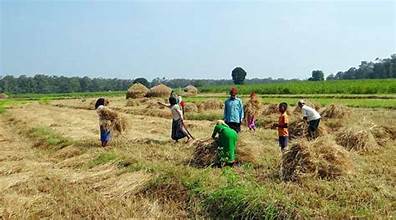
India has recorded a steady increase in summer crop coverage, with the total sown area crossing 64 lakh hectares, reflecting positive momentum in agricultural activity ahead of the upcoming harvest cycle. The expansion spans key crop categories including rice, pulses, coarse cereals, and oilseeds, signaling a strong outlook for overall production.
The rise in cultivated area is being driven by favorable weather conditions, improved water availability, and better access to agricultural inputs. Farmers across several states have shown increased participation in summer sowing, particularly in irrigated regions where assured water supply supports crop growth during the hotter months.
Rice continues to dominate the summer cropping pattern, with a notable increase in acreage compared to previous years. Enhanced irrigation facilities and the adoption of high-yielding seed varieties have encouraged farmers to expand paddy cultivation. Pulses have also witnessed steady growth, supported by government initiatives aimed at boosting domestic production and reducing import dependency.
In the cereals segment, crops such as maize and millets are gaining traction due to their relatively lower water requirements and resilience to changing climatic conditions. Oilseeds, including groundnut and sunflower, have also seen an uptick in area, driven by strong market demand and favorable price trends.
Agricultural experts attribute this expansion to a combination of policy support and technological adoption. Government programs focusing on improved irrigation infrastructure, timely availability of seeds and fertilizers, and better extension services have played a crucial role in encouraging farmers to increase acreage. Additionally, the use of modern farming techniques such as precision irrigation and mechanization is helping optimize productivity.
The growth in summer crop area is expected to contribute positively to India’s overall food grain production. A larger sown area, coupled with favorable climatic conditions, could lead to higher yields, strengthening both domestic supply and export potential. This comes at a time when global food markets are facing uncertainties due to geopolitical tensions and climate-related disruptions.
However, challenges remain. Rising input costs, particularly for fertilizers and fuel, continue to put pressure on farmers’ margins. Ensuring timely and affordable access to these inputs will be critical to sustaining the current growth trend. Additionally, temperature extremes during the summer season could pose risks to crop health if not managed effectively.
Water management is another key factor. While irrigated regions are performing well, areas dependent on limited water resources may face constraints if temperatures rise further. Efficient use of water through micro-irrigation systems and conservation practices will be essential to maintain productivity.
Market dynamics will also play an important role in determining the final outcome. Stable prices and efficient procurement systems can encourage farmers to sustain or even expand cultivation in the coming seasons. On the other hand, volatility in commodity prices could influence planting decisions.
Overall, the expansion of India’s summer crop area beyond 64 lakh hectares reflects a positive trend in the agricultural sector. If supported by favorable weather and effective policy measures, this growth could enhance food security, support farmer incomes, and strengthen India’s position in global agricultural markets in the coming months.


 By
By











