

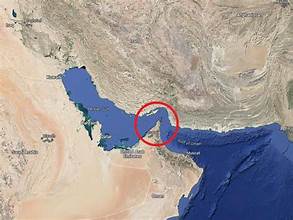
Rising geopolitical tensions around the strategically vital Strait of Hormuz are threatening to unleash a major global agrifood crisis, according to a fresh warning issued by the United Nations. The organization has cautioned that any prolonged disruption in this critical maritime corridor could sharply increase food prices and severely impact agricultural production across the world.
The Strait of Hormuz, located between the Persian Gulf and the Gulf of Oman, is one of the world’s most important shipping routes. A significant share of global energy supplies, along with essential agricultural inputs such as fertilisers, passes through this narrow passage. Any instability or blockage in the region can therefore have immediate and far-reaching consequences for global supply chains.
According to UN agencies, the ongoing tensions involving Iran have already begun to disrupt shipping movements and increase freight costs. If the situation escalates or continues for an extended period, it could restrict the availability of key inputs like urea, potash, and ammonia—materials that are critical for maintaining crop yields worldwide.
Experts emphasize that fertilisers are the backbone of modern agriculture. A shortage or price spike can lead farmers to reduce application rates, which directly affects crop productivity. This, in turn, can lead to lower harvests, tighter food supplies, and increased market volatility. The UN has warned that such a chain reaction could push global food systems toward instability, particularly at a time when many regions are already grappling with climate change and economic pressures.
The impact is expected to be most severe in developing countries across Asia and Africa. These regions rely heavily on fertiliser imports routed through the Gulf and often lack the financial resilience to cope with sudden price increases. Smallholder farmers, who form the backbone of food production in these regions, are especially vulnerable. Reduced access to fertilisers could significantly lower crop yields, threatening both livelihoods and food availability.
In addition to fertilisers, disruptions in the Strait could also affect fuel supplies, further compounding the crisis. Higher fuel prices increase the cost of farm operations, irrigation, transportation, and food distribution. This creates a cascading effect, driving up food prices from farm to market and placing additional strain on consumers.
The UN has urged governments and international stakeholders to take proactive measures to mitigate the risks. Suggested actions include diversifying supply chains, increasing strategic reserves of fertilisers, and investing in alternative and sustainable agricultural practices. Strengthening regional cooperation and ensuring the smooth flow of trade are also seen as critical steps in preventing a full-blown crisis.
Agricultural economists warn that the world is entering a highly sensitive period, where geopolitical conflicts can quickly translate into food insecurity. With global populations continuing to grow and agricultural systems already under stress, maintaining stable supply chains has never been more crucial.
In conclusion, the situation in the Strait of Hormuz highlights the fragile interconnectedness of global trade, energy, and food systems. As the United Nations cautions, a prolonged disruption could trigger a worldwide agrifood catastrophe—making it imperative for nations to act swiftly to safeguard food security and protect vulnerable populations.


 By
By











