

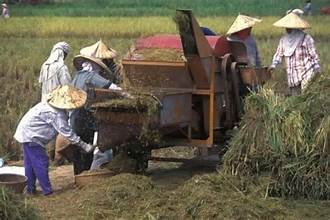
Global investment in agricultural research and development (R&D) continues to rise as governments and international organizations intensify efforts to improve food security, sustainability, and climate resilience in farming systems. According to newly released data from the Food and Agriculture Organization (FAO), public agricultural R&D investments have now exceeded $50 billion worldwide, highlighting the growing global focus on innovation-driven agriculture.
The FAO said the increase in research funding reflects rising concerns over climate change, food inflation, soil degradation, water scarcity, and growing pressure on global food systems. Countries across Asia, Europe, Africa, and the Americas are expanding investment in advanced farming technologies, improved crop varieties, digital agriculture, biotechnology, and climate-smart production systems. (fao.org)
Agricultural experts say stronger research investment is becoming essential as farmers face increasingly complex challenges linked to extreme weather events, rising production costs, pests, diseases, and shrinking natural resources. Public-sector institutions, universities, and international agricultural research centers are now focusing heavily on developing solutions that can improve productivity while reducing environmental impact.
A significant portion of the new investment is directed toward climate-resilient farming technologies. Researchers are working on drought-tolerant crops, heat-resistant seed varieties, efficient irrigation systems, precision agriculture tools, and sustainable soil management techniques. These innovations are expected to help farmers adapt to rising temperatures and unpredictable weather conditions affecting agricultural productivity worldwide.
Digital agriculture is also receiving major attention. Governments and research agencies are investing in artificial intelligence, satellite monitoring, drones, remote sensing, and data-driven farm management systems. Experts believe digital tools can improve crop monitoring, optimize fertilizer and water usage, reduce waste, and increase efficiency across agricultural supply chains.
FAO officials noted that agricultural innovation will play a critical role in feeding a growing global population while reducing greenhouse gas emissions from farming. The organization emphasized that future food systems must become more productive, inclusive, and environmentally sustainable to meet long-term global development goals.
Research institutions are increasingly collaborating across borders to accelerate scientific breakthroughs in agriculture. International partnerships involving organizations such as the Consultative Group on International Agricultural Research (CGIAR), national research systems, universities, and private technology firms are helping expand access to agricultural innovation worldwide. (cgiar.org)
Developing countries are also increasing their focus on agricultural R&D as they attempt to strengthen food security and rural livelihoods. Several governments in Africa and South Asia have launched programs aimed at improving local seed systems, mechanization, water management, and farmer training. Experts say investments in agricultural research often generate long-term economic benefits by increasing productivity and reducing vulnerability to climate shocks.
However, analysts warn that funding gaps still exist in many low-income countries where research infrastructure and technology adoption remain limited. Smallholder farmers in vulnerable regions often lack access to advanced innovations due to financial constraints, poor extension services, and weak rural infrastructure.
Environmental sustainability has become another major priority in agricultural research. Scientists are increasingly exploring regenerative farming, carbon-smart agriculture, biological pest control, and alternative cropping systems that can reduce dependence on chemical inputs while protecting ecosystems and biodiversity.
Industry observers believe global agricultural R&D spending will continue to rise in the coming years as countries seek to balance food production with climate adaptation and environmental protection. The FAO says continued investment in science, technology, and farmer-centered innovation will be essential for building resilient agrifood systems capable of meeting future global food demands.


 By
By











