

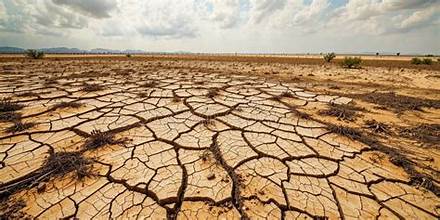
Rising temperatures and more frequent heatwaves are emerging as major challenges for global agriculture, according to a recent report jointly released by the World Meteorological Organization and the Food and Agriculture Organization. The report warns that extreme heat is increasingly affecting crop yields, livestock productivity, and water resources, creating significant risks for food production systems worldwide.
Agriculture is highly dependent on favorable weather conditions, and prolonged periods of extreme heat can disrupt plant growth at critical stages of development. Many crops, including wheat, maize, rice, soybeans, and vegetables, are vulnerable to high temperatures during flowering and grain-filling periods. Excessive heat can reduce pollination, accelerate crop maturity, and lower overall yields, resulting in production losses for farmers.
Researchers note that the frequency and intensity of heatwaves have increased in many agricultural regions over recent years. As temperatures continue to rise, the risk of heat-related crop stress is expected to become more widespread. Agricultural experts warn that this trend could make food production more unpredictable and increase pressure on global food supplies.
Livestock production is also facing growing challenges from extreme heat. Cattle, poultry, sheep, and other farm animals experience physiological stress when temperatures exceed their comfort levels. Heat stress can reduce feed intake, slow growth rates, lower milk production, and negatively affect reproduction. In severe cases, prolonged exposure to extreme temperatures can increase animal mortality, creating additional economic losses for livestock producers.
Water availability has become another major concern. Higher temperatures increase evaporation rates from soil, rivers, reservoirs, and irrigation systems, reducing the amount of water available for agricultural use. In many regions, farmers are already facing increased competition for limited water resources as drought conditions become more frequent and severe.
The report highlights that developing countries and regions with limited irrigation infrastructure are particularly vulnerable. Smallholder farmers often have fewer resources to adapt to changing weather conditions, making them more susceptible to crop failures and income losses during periods of extreme heat.
Agricultural scientists are encouraging the adoption of climate-resilient farming practices to reduce risks. These include the development of heat-tolerant crop varieties, improved irrigation technologies, conservation agriculture, efficient water management systems, and better weather forecasting services. Advances in agricultural research are helping farmers adapt to changing climatic conditions, but experts stress that broader investments are needed to scale these solutions.
Governments and international organizations are also being urged to strengthen climate adaptation strategies within the agricultural sector. Increased support for agricultural research, rural infrastructure, and farmer training programs is considered essential to improving resilience against future climate challenges.
The report emphasizes that extreme heat is no longer an isolated environmental concern but a growing threat to global food security. As populations continue to grow and food demand rises, maintaining stable agricultural production will become increasingly important.
Experts warn that without effective adaptation measures, rising temperatures could place additional pressure on food systems, increase production costs, and contribute to greater market volatility. Strengthening agricultural resilience against extreme heat is therefore expected to be a key priority for policymakers, researchers, and farmers in the years ahead.


 By
By











