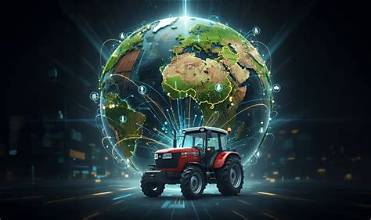
The Food and Agriculture Organization (FAO) is intensifying its global efforts to accelerate the adoption of smart farming technologies, helping countries build more productive, resilient, and sustainable agricultural systems. By promoting digital agriculture, precision farming, artificial intelligence (AI), and climate-resilient production practices, the UN agency aims to strengthen global food security while enabling farmers to adapt to the growing challenges of climate change.
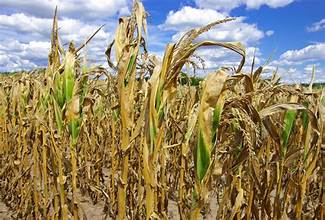
As agriculture faces increasing pressure from rising temperatures, unpredictable weather patterns, water scarcity, and declining natural resources, FAO believes that technology-driven solutions will play a crucial role in transforming the sector. Smart farming combines modern digital tools with scientific knowledge to improve farm management, increase productivity, reduce production costs, and minimize environmental impacts.
One of FAO’s key priorities is promoting precision agriculture, which uses technologies such as GPS-guided machinery, sensors, drones, satellite imagery, and data analytics to optimize farming operations. These tools allow farmers to apply water, fertilizers, and crop protection products only where and when they are needed, improving resource-use efficiency while reducing waste and environmental pollution.
Artificial Intelligence is also becoming an important component of modern agriculture. AI-powered systems can analyze vast amounts of farm data to provide recommendations on crop selection, irrigation scheduling, pest and disease management, and fertilizer application. Machine learning models can predict crop yields, detect plant diseases at an early stage, and generate weather-based advisories that help farmers make timely decisions and reduce production risks.
Digital technologies are transforming access to agricultural information as well. Through mobile applications, online advisory platforms, and digital extension services, farmers can receive real-time weather forecasts, market prices, pest alerts, and agronomic recommendations directly on their smartphones. These digital services are particularly valuable for smallholder farmers, enabling them to improve productivity and make informed business decisions.
FAO is also encouraging the adoption of climate-resilient production systems that combine technology with sustainable farming practices. These include efficient irrigation systems, drought-tolerant crop varieties, soil health management, integrated pest management, and conservation agriculture. Such approaches help farmers maintain stable production while reducing greenhouse gas emissions and conserving natural resources.
The organization emphasizes that innovation must be inclusive. Many small-scale farmers in developing countries still face barriers such as limited internet connectivity, inadequate digital infrastructure, lack of technical skills, and restricted access to finance. FAO is therefore working with governments, research institutions, private companies, and development partners to strengthen digital infrastructure, expand farmer training programs, and improve access to affordable technologies.
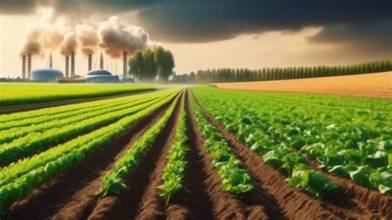
Beyond increasing productivity, smart farming also contributes to broader sustainability goals. Efficient resource management reduces water consumption, lowers fertilizer losses, minimizes chemical use, and helps protect biodiversity. Digital monitoring systems also improve traceability across food supply chains, enhancing food safety and meeting the growing demand for sustainably produced agricultural products.
FAO believes that digital transformation is essential for achieving the Sustainable Development Goals (SDGs), particularly those related to ending hunger, reducing poverty, and promoting sustainable agriculture. By supporting countries in adopting innovative technologies, the organization aims to create more resilient food systems capable of feeding a growing global population while protecting the environment.
As agriculture enters a new era of technological innovation, FAO’s expanded focus on smart farming reflects a global commitment to modernizing food production. Through precision agriculture, AI, digital advisory services, and climate-smart farming practices, the organization is helping farmers worldwide improve productivity, strengthen resilience, and ensure long-term food security in an increasingly uncertain climate.

 By
By