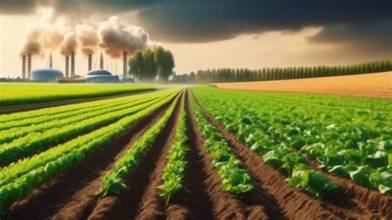
Global food prices have climbed to their highest level since late 2022, highlighting renewed pressure on food markets as adverse weather conditions, geopolitical tensions and supply disruptions affect the availability and movement of agricultural commodities.
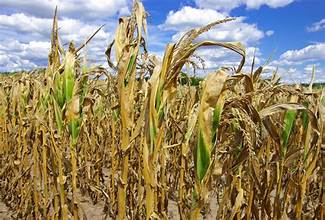
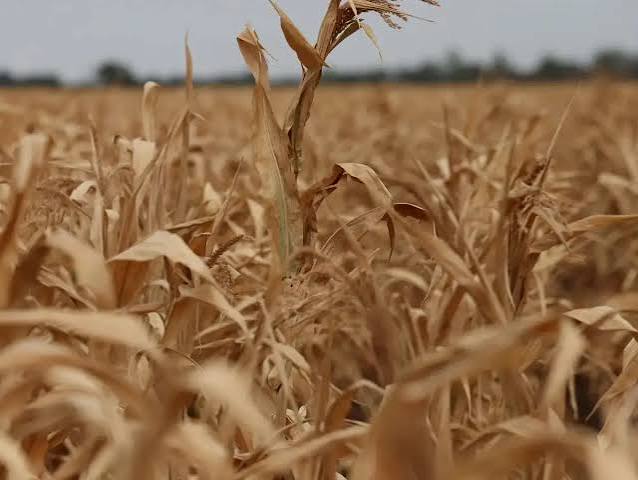
The latest increase reflects a combination of factors influencing major food-producing and exporting regions. Extreme weather events, including droughts, excessive rainfall and heatwaves, have created challenges for farmers and reduced production prospects for several crops. These conditions can affect both the quantity and quality of agricultural output, ultimately putting upward pressure on prices.
Weather-related risks have become an increasingly important factor in global food markets. Changes in rainfall patterns and rising temperatures can disrupt planting and harvesting schedules, reduce crop yields and increase irrigation requirements. When production declines in key exporting countries, international markets can quickly respond because many nations depend heavily on global trade to meet domestic food demand.
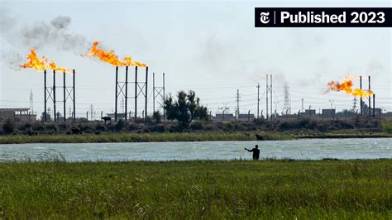
Geopolitical tensions are also contributing to market uncertainty. Conflicts and political instability in important agricultural regions can disrupt farming operations, transportation networks and international trade routes. Restrictions on exports, higher insurance costs and delays at ports can further increase the cost of moving food from producing countries to consumers.
Supply chain disruptions remain another major concern. Agricultural commodities move through complex networks involving farmers, processors, storage facilities, transport companies, ports and retailers. Any disruption at one stage can create additional costs and reduce the availability of food products in certain markets.
Higher food prices can have significant consequences for consumers, particularly in developing economies where households spend a relatively large share of their income on food. Rising prices of essential commodities such as cereals, vegetable oils, meat and dairy products can increase household expenses and contribute to broader inflationary pressures.
For farmers, however, higher market prices do not always translate into higher profits. Increased costs of seeds, fertilizers, pesticides, fuel, electricity, machinery and transportation can reduce the benefits of stronger commodity prices. Farmers therefore continue to face the challenge of balancing production costs with uncertain market returns.
Governments and international organizations are closely monitoring the situation as food security remains a major global priority. Measures such as maintaining strategic food reserves, improving agricultural infrastructure, supporting climate-resilient farming and strengthening supply chains can help reduce the impact of future market disruptions.
The current rise in global food prices also underlines the importance of investment in agricultural innovation. Technologies such as precision farming, climate-smart agriculture, improved crop varieties, efficient irrigation and digital market platforms could help farmers increase productivity while becoming more resilient to changing environmental conditions.
With weather patterns, geopolitical developments and global trade conditions continuing to influence agricultural markets, food prices are likely to remain closely watched. The latest increase serves as a reminder that a stable and resilient food system depends on coordinated efforts from farmers, governments, businesses and international institutions.

 By
By