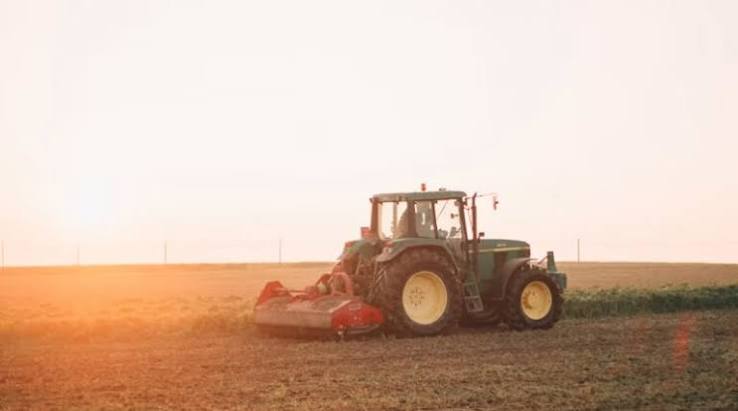
Brazilian soybean producers have reportedly secured around 90% of their fertilizer requirements for the 2026/27 crop season, indicating strong preparation among growers ahead of the new planting cycle. In contrast, corn farmers have purchased only about 45% of their expected fertilizer needs, highlighting differences in crop economics, purchasing strategies and access to agricultural credit.
Fertilizer is one of the most important inputs in Brazil’s large-scale grain production system. Timely availability of nutrients is essential for maintaining crop productivity, particularly for soybeans, corn and other major commodities cultivated across the country.
Soybean Farmers Move Early
The high level of fertilizer procurement among soybean producers suggests that many farmers are seeking to secure essential inputs well before planting begins. Early purchasing can help producers reduce the risk of supply shortages and protect themselves from potential price increases later in the season.
Soybean production is highly important to Brazil’s agricultural economy. The country is one of the world’s largest soybean producers and exporters, with international demand providing a major source of revenue for farmers and the wider agribusiness sector.
Strong soybean economics may also be encouraging producers to commit to fertilizer purchases earlier. When farmers have greater confidence in expected crop returns, they may be more willing to make advance investments in seeds, fertilizers, crop protection products and machinery.
Corn Farmers Take a More Cautious Approach
The situation is different in the corn sector, where producers have reportedly covered only about 45% of their fertilizer requirements for the upcoming crop.
Corn farmers may be taking a more cautious approach because of differences in crop margins and market conditions. Fertilizer represents a significant component of production costs, and farmers must carefully evaluate expected grain prices before committing to major purchases.
Access to financing is another important factor. Agricultural credit plays a major role in allowing farmers to purchase inputs ahead of the production season. Differences in credit availability and financing conditions can therefore influence when and how much fertilizer farmers purchase.
Fertilizer Markets Under Observation
Brazil relies heavily on fertilizer inputs to support its high-yield agricultural system, while a significant portion of fertilizer demand is connected to international supply chains. Global prices, currency movements, shipping costs and geopolitical developments can all influence the final cost paid by farmers.
By purchasing fertilizer early, soybean producers may be attempting to manage these risks and improve cost predictability for the coming season. Corn growers, meanwhile, may wait for clearer signals from grain markets and financing conditions before completing their purchases.
Implications for the 2026/27 Crop
The difference between soybean and corn fertilizer procurement provides an early indication of how farmers are assessing the economics of the upcoming agricultural season.
If fertilizer prices rise later in the season, farmers who have already secured their supplies could gain an advantage through greater cost certainty. However, producers who delay purchases could benefit if prices decline or market conditions improve.
Ultimately, fertilizer procurement will depend on a combination of crop prices, input costs, credit availability, weather expectations and farmer confidence.
Outlook
The reported 90% fertilizer coverage among soybean farmers, compared with approximately 45% among corn producers, highlights the contrasting economic conditions influencing Brazil’s grain sector.
As the 2026/27 planting season approaches, market participants will closely monitor fertilizer prices, agricultural credit, soybean and corn prices, and weather forecasts. These factors will play an important role in determining farmers’ final production decisions and the overall outlook for Brazil’s grain harvest.


 By
By