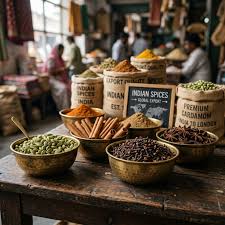
India’s spice industry is placing greater emphasis on quality control, laboratory testing and traceability as exporters seek to strengthen the country’s position in international markets. With food-safety standards becoming increasingly stringent across major importing countries, the ability to demonstrate the quality, safety and origin of spices is becoming an important part of global trade.
India is one of the world’s leading producers and exporters of spices, supplying products such as chilli, turmeric, cumin, coriander, pepper, cardamom and several other varieties to markets across the globe. The sector supports millions of farmers, traders, processors and other businesses involved in the agricultural value chain.
Quality Standards Becoming More Important
International buyers are increasingly demanding consistency in product quality and compliance with food-safety regulations. Spices intended for export may need to meet strict limits for contaminants, pesticide residues, microbial contamination and other quality parameters.
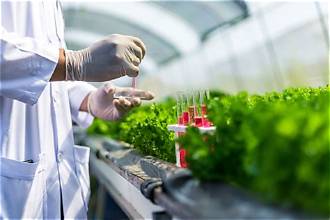
As a result, exporters and processors are investing more attention in testing and quality-assurance systems. Regular laboratory analysis can help identify potential problems before products reach international markets.
Maintaining high standards is particularly important because a quality issue in an export shipment can result in rejected consignments, financial losses and reputational damage for businesses.
Traceability Strengthens Supply-Chain Transparency
Traceability is becoming another major focus for the Indian spice sector. A robust traceability system can help businesses track products through different stages of the supply chain, from production and procurement to processing, packaging and export.
Digital records can make it easier to identify the source of a particular batch and investigate quality concerns when they arise. Such systems can also provide international buyers with greater confidence about the origin and handling of products.
For farmers and producer organizations, improved traceability could encourage better agricultural practices and more systematic record-keeping.
Farmers Play a Key Role
Quality begins at the farm level. Appropriate pesticide use, correct harvesting practices, proper drying and hygienic storage can have a major impact on the final quality of spices.
Training farmers in Good Agricultural Practices (GAP) can help reduce contamination risks and improve consistency. Better awareness of pesticide application intervals, safe handling and post-harvest management can also support compliance with international standards.
Farmer Producer Organizations and other aggregation networks can play an important role by helping smallholders adopt standardized production and collection practices.
Technology Can Support Export Growth
Modern technologies are increasingly being used to improve agricultural traceability and quality management. Digital batch records, QR-based tracking, laboratory information systems and supply-chain management platforms can improve transparency.
Processing and packaging companies can use these technologies to monitor products across multiple stages and maintain detailed records for export documentation.
Technology can therefore help reduce information gaps between farmers, processors, exporters and international buyers.
Strengthening India’s Global Spice Brand
Improving quality and traceability can provide India with an opportunity to strengthen its reputation as a reliable supplier of safe and high-quality spices.
Consistent compliance with international food-safety requirements can help exporters access demanding markets and build long-term relationships with overseas buyers.
Outlook
India’s spice industry is moving toward a more quality-driven and traceable supply chain. Greater investment in testing laboratories, farmer training, processing infrastructure, digital traceability and quality assurance could further strengthen the sector.
As global food-safety expectations continue to evolve, quality and traceability will increasingly become competitive advantages rather than simply regulatory requirements. For India’s spice exporters, maintaining strong standards from the farm to the final shipment will be critical to expanding the country’s presence in global markets.

 By
By