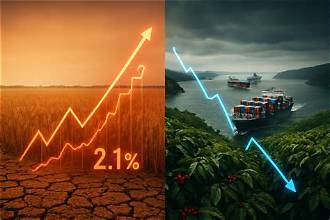
Global food markets are facing renewed price pressure as climate-related uncertainties, supply concerns and changing market conditions continue to influence the cost of major agricultural commodities. According to the latest assessment from the Food and Agriculture Organization of the United Nations (FAO), the FAO Food Price Index averaged 133.3 points in August, marking a 1.9% increase from July and a 2.5% rise compared with August last year.
The increase indicates that international food prices are once again moving higher after periods of relative stability. Rising prices across major commodity categories are adding to concerns about food affordability, particularly for countries that depend heavily on imports to meet domestic demand.
The FAO Food Price Index tracks changes in international prices of a basket of widely traded food commodities, including cereals, vegetable oils, dairy products, meat and sugar. Its latest movement suggests that several parts of the global food system are experiencing simultaneous cost pressures.
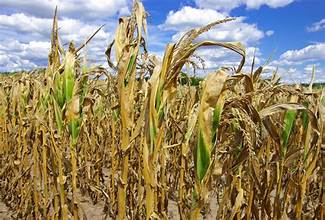
One of the major factors behind the changing market environment is the growing uncertainty surrounding agricultural production. Weather conditions have become increasingly important for global commodity markets, with droughts, excessive rainfall, heatwaves and other extreme events capable of affecting crop yields and disrupting supply chains. Such risks can quickly influence international prices when production expectations change.
Supply availability is another important factor. Global agricultural markets are closely interconnected, meaning production problems in one major exporting region can affect prices and trade flows in other parts of the world. Changes in export volumes, inventories, transportation costs and international demand can further amplify price movements.
Higher food commodity prices can have consequences beyond international trading markets. In importing countries, rising global prices may increase the cost of food processing, transportation and retail products. Consumers can ultimately face higher prices, while governments may come under greater pressure to protect vulnerable households and maintain food security.
The latest increase also highlights the importance of maintaining resilient food supply chains. Countries are increasingly looking at measures such as improving agricultural productivity, strengthening storage and logistics infrastructure, expanding climate-resilient farming practices and maintaining adequate food reserves.
For farmers, higher international prices can create opportunities through improved market returns, but they can also increase the cost of inputs such as fertilizers, energy and transportation. The overall impact therefore depends on local production conditions, government policies and domestic market prices.
With climate variability expected to remain an important challenge for agriculture, global food markets could continue to experience periods of volatility. Monitoring weather developments, production forecasts and international trade will therefore remain crucial for governments, farmers, businesses and consumers.
The August increase in the FAO Food Price Index serves as another indication that global food markets remain sensitive to supply and climate risks. Strengthening agricultural resilience and ensuring stable food supply chains will be essential to managing future price pressures and protecting global food security.

 By
By