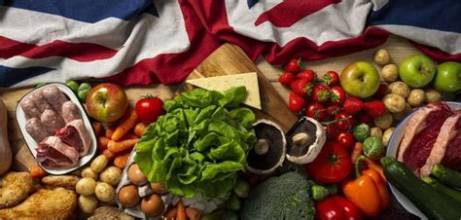
The United Kingdom is becoming increasingly dependent on food imports, with new analysis showing a significant decline in domestic self-sufficiency across most major agricultural commodities over the past three decades. The findings highlight growing concerns about the resilience of the country’s food supply at a time when climate change, geopolitical tensions and international market disruptions are creating additional risks for global food systems.
According to the latest analysis, the UK’s level of self-sufficiency has declined in 10 of 11 major staple commodities since 1995. The trend indicates that domestic agricultural production has struggled to keep pace with consumption and demand, increasing the country’s reliance on supplies from international markets.
Fresh vegetables are among the commodities showing a notable decline. The UK’s self-sufficiency in fresh vegetables has fallen from around 74% in 1995 to 55% today. This means that a substantially larger share of vegetables consumed in the country now depends on production and supply chains outside the UK.
Potatoes have also experienced a considerable reduction in domestic supply capacity. Potato self-sufficiency has dropped from approximately 90% to 70% over the same period. Although domestic production remains important, the decline represents a significant change in the balance between locally produced food and imported supplies.
The reduction in food self-sufficiency has several potential implications for the UK’s food security. A greater dependence on imports can expose consumers and food businesses to international price fluctuations, transportation disruptions, currency movements and production problems in exporting countries.
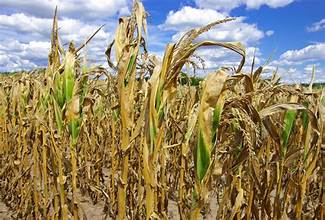
Climate change is another major consideration. Extreme weather events, including droughts, floods and heatwaves, can affect agricultural production in different parts of the world. If multiple producing regions experience weather-related disruptions at the same time, countries that rely heavily on imports may face increased competition for available supplies.
The UK’s agricultural sector also faces challenges linked to production costs, labour availability, land use, energy prices and changing environmental requirements. These factors can influence farmers’ decisions about what crops to grow and whether certain forms of agricultural production remain economically viable.
However, food self-sufficiency does not necessarily mean that a country must produce all of its food domestically. International trade remains an important component of modern food systems and allows countries to access products that may be difficult or expensive to produce locally. The issue is therefore not simply the volume of imports, but whether the country has a sufficiently resilient and diversified food supply system.
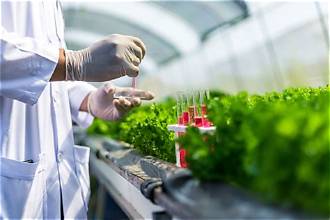
Increasing domestic production of strategically important commodities could nevertheless help reduce exposure to international supply shocks. Investment in agricultural technology, protected horticulture, efficient irrigation, improved crop varieties, storage infrastructure and farmer support could contribute to strengthening domestic food production.
The decline in vegetable and potato self-sufficiency also raises questions about the UK’s long-term agricultural strategy. Policymakers, farmers and food businesses may need to consider how domestic production can remain competitive while meeting environmental and sustainability objectives.
The latest figures underline a broader challenge facing many countries: balancing the benefits of international food trade with the need for resilient domestic production. For the UK, reversing or stabilising the decline in self-sufficiency across key commodities could become an increasingly important part of future food-security planning.

 By
By