Genetically engineered crops could play an important role in helping US agriculture respond to the long-term effects of climate change, according to findings from a new 40-year study. The research indicates that advances in crop genetics have not only contributed to higher agricultural productivity but may also have helped farmers maintain production as environmental conditions have changed.
The study examined the long-term performance and geographical distribution of genetically engineered corn and soybean varieties in the United States. Researchers found evidence suggesting that crop genetics can influence how effectively agricultural production responds to changing climatic conditions.
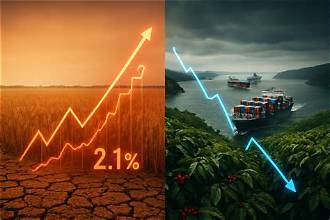
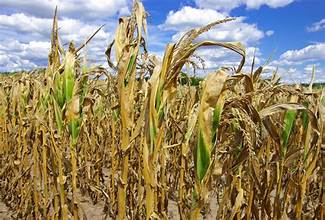
Climate change is creating new challenges for farmers across the United States. Increasing temperatures, changing rainfall patterns, drought conditions and more frequent extreme weather events can affect crop growth and yield. As these conditions shift, areas that have traditionally been suitable for particular crops may face greater production risks.
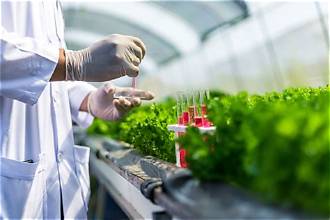
The long-term research suggests that genetically engineered varieties may provide farmers with additional tools to manage some of these challenges. By incorporating specific traits into crops, plant breeders can develop varieties with characteristics that improve their performance under particular environmental and production conditions.
Corn and soybeans are particularly important to US agriculture. They are grown across large areas and are central to livestock feed, food processing, biofuel production and international agricultural trade. Any improvement in their ability to perform under changing climatic conditions could therefore have implications well beyond individual farms.
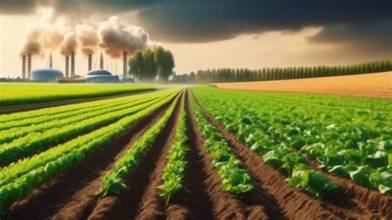
One important finding from the research is that crop genetics may affect where farming remains economically and environmentally viable. As climate conditions change, farmers may need to reconsider which varieties perform best in specific regions. Genetic improvements could help extend the productive potential of crops into areas where conventional varieties may face increasing environmental stress.
The study also highlights the importance of viewing agricultural biotechnology from a long-term perspective. The benefits of genetically engineered crops are often discussed in terms of yield, pest management or production efficiency. However, their potential contribution to climate adaptation adds another dimension to the debate surrounding agricultural genetics.
Researchers caution that genetics alone cannot solve all of the challenges created by climate change. Farm management practices, soil health, irrigation, weather forecasting, crop diversification and agricultural infrastructure will continue to play major roles in maintaining productivity.
Climate adaptation is likely to become increasingly important as farmers face more unpredictable growing conditions. Crop varieties capable of performing under heat, drought, pest pressure or other stresses could become valuable components of broader adaptation strategies.
The findings also suggest that future agricultural research will need to consider both productivity and environmental resilience. Developing crop varieties suited to future climatic conditions could help farmers reduce risks while maintaining food, feed and fuel production.
For US agriculture, the 40-year perspective provides an important indication that changes in crop genetics can have effects extending beyond immediate productivity gains. As climate change continues to reshape growing conditions, the ability of crops to adapt to new environments could become an increasingly important factor in determining the future geography and sustainability of farming.

 By
By