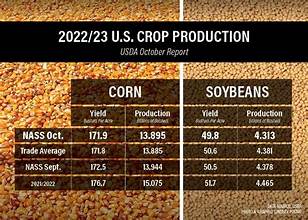
U.S. corn and soybean markets are entering an important period as traders and agricultural businesses prepare for the release of key September estimates from the U.S. Department of Agriculture (USDA). The upcoming data is expected to provide fresh indications about crop production, yields, supplies and ending stocks, with potential consequences for both domestic and international grain markets.
Corn prices have recently faced pressure as market participants assess the outlook for U.S. production. Expectations surrounding crop yields and total output remain central to price movements. If production estimates point toward stronger supplies, markets could face additional downward pressure. Conversely, any indication of lower-than-expected yields could support prices by raising concerns about available stocks.
The soybean market is also attracting considerable attention. Trading activity remains influenced by expectations for U.S. production and global demand. Soybeans are an important commodity in international agriculture, serving as a major source of animal feed, vegetable oil and industrial raw materials. Changes in U.S. supply estimates can therefore affect markets well beyond the country.
The September USDA outlook is particularly significant because production estimates become more closely linked with field conditions as the growing season progresses. Traders closely examine information on harvested acreage, yield expectations and projected inventories when evaluating the balance between supply and demand.
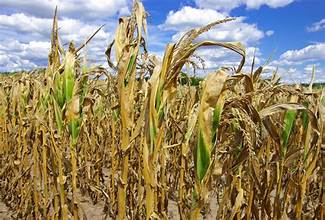
Weather remains an important factor behind market uncertainty. Conditions during the later stages of crop development can influence final yields, particularly if crops experience heat stress, inadequate rainfall or other adverse conditions. At the same time, favourable weather can improve production prospects and contribute to expectations of larger supplies.
The estimates for ending stocks will also be closely watched. Ending stocks provide an indication of how much grain is expected to remain available at the conclusion of the marketing year. Higher stocks generally suggest a more comfortable supply situation, while declining inventories can increase concerns about tighter markets.
Global demand will be another major consideration. U.S. corn and soybeans are heavily traded internationally, meaning changes in American production can influence export availability and prices in other producing and importing countries. Major buyers in Asia and other regions will be monitoring the outlook as they assess future purchasing requirements.
Currency movements, energy prices, biofuel demand and international trade policies can also influence the competitiveness of U.S. agricultural exports. Any significant change in these factors could alter demand expectations for American corn and soybeans.
For farmers, market expectations surrounding the USDA report can influence decisions related to selling, storage and risk management. Grain buyers and processors are similarly watching the data to assess future procurement costs.
The September figures could therefore become an important market signal for the remainder of the marketing year. While current trading indicates weakness in corn and continued activity in soybeans, the direction of prices could change rapidly if the USDA estimates differ significantly from market expectations.
With production, yield and ending-stock projections under close scrutiny, the September agricultural outlook is expected to remain a major focus for U.S. grain markets. The resulting supply-demand picture could influence not only American prices but also global corn and soybean trade in the months ahead.

 By
By