Persistent rainfall across parts of the U.S. Midwest has slowed the soybean harvest, creating short-term supply challenges for processors and prompting some facilities to offer higher premiums to farmers for immediate deliveries.
The Midwest is a major soybean-producing region in the United States, and the timing of the harvest plays an important role in maintaining a steady flow of soybeans to crushing and processing facilities. However, continued wet weather has made fieldwork more difficult in some areas, delaying harvesting operations and limiting the movement of freshly harvested soybeans into the market.
Rain Delays Harvest Operations
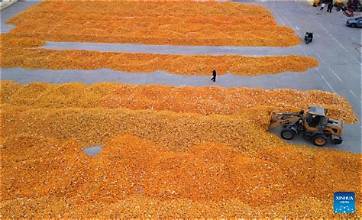
Soybean harvesting typically accelerates as crops reach maturity, with farmers relying on favorable weather conditions to enter fields and bring crops to storage or local elevators. Persistent rainfall can interrupt this process by leaving fields too wet for machinery.
Wet field conditions can also increase the risk of soil compaction and damage to farmland if heavy equipment is operated before fields are sufficiently dry. As a result, some farmers may have to wait for suitable conditions before resuming harvesting.
The delays have affected the timing of soybean deliveries to processors, particularly facilities that depend on a steady supply of locally produced soybeans.
Processors Offer Higher Premiums
With immediate supplies becoming tighter in some locations, certain soybean processors have reportedly increased the premiums they are willing to pay to attract nearby farmer deliveries.
Premiums are additional amounts paid above a relevant market or benchmark price. They can change depending on local supply and demand conditions, transportation costs, storage availability and the requirements of individual processing plants.
In the current situation, higher premiums are being used by some processors to encourage farmers with harvested soybeans to deliver supplies despite broader harvest delays.
Some Plants Reduce Processing
The supply constraints have also affected soybean processing activity at some plants. Where processors are unable to secure sufficient quantities of soybeans, facilities may reduce their processing rates temporarily.
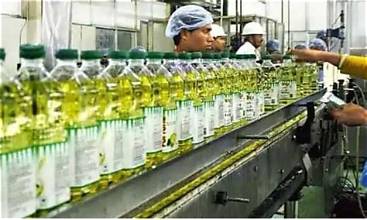
Soybean crushing is an important part of the U.S. agricultural economy. Processors crush soybeans to produce soybean meal, which is widely used as an animal-feed ingredient, and soybean oil, which is used in food, industrial applications and biofuel production.
Any disruption in the flow of soybeans into processing facilities can therefore have implications beyond the farm gate, potentially affecting local basis levels, processor margins, feed markets and vegetable-oil supplies.
Weather Remains a Key Market Factor
The situation demonstrates how short-term weather conditions can influence agricultural markets even when overall crop production remains relatively strong. A delayed harvest does not necessarily mean that the final soybean crop will be smaller, but prolonged wet conditions can affect harvesting schedules, logistics and the availability of supplies at particular locations.
Market participants will be watching weather forecasts and harvest progress closely as farmers work to catch up when field conditions improve.
For U.S. soybean producers, the pace of harvest will remain an important consideration in decisions involving delivery, storage and marketing. For processors, maintaining adequate supplies will be critical to keeping crushing operations running efficiently.
The coming weeks will determine how quickly harvesting operations recover and whether the current supply tightness remains a localized issue or develops into a broader disruption across the soybean processing market.


 By
By