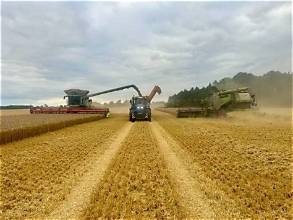
The United States Department of Agriculture (USDA) has raised its forecast for US corn yields, drawing attention from international grain traders, agricultural exporters and livestock feed producers. The possibility of record-level productivity is expected to strengthen concerns about rising grain supplies and potential downward pressure on corn prices in global markets.
According to a report published on October 30, 2026, the USDA increased its outlook for US corn yields, indicating the potential for stronger production during the current agricultural season. The revised forecast reflects expectations of higher output per acre and could have important implications for domestic grain availability as well as international agricultural trade.
The United States is one of the world’s largest corn producers and exporters. Consequently, changes in its production estimates can influence global supply expectations, commodity trading decisions and export prices.
Higher Yields Could Increase Market Supplies
Corn is a major agricultural commodity used in livestock feed, food processing, ethanol production and several industrial applications. Any significant increase in US production can affect the balance between global supply and demand.
A higher yield forecast generally indicates that farmers may harvest more grain from the same cultivated area. If the improved yield outlook translates into larger-than-expected production, the additional supply could increase pressure on grain markets.
Traders and agricultural analysts closely monitor USDA production estimates because these reports provide important information for assessing future commodity availability. Changes in yield expectations can influence market sentiment even before the actual harvest figures are fully confirmed.
Potential Impact on International Corn Prices
The prospect of increased US corn supplies could put downward pressure on international prices, particularly if demand does not grow at the same pace as production.
Lower corn prices may benefit livestock producers and feed manufacturers by reducing one of their major raw material expenses. However, the impact could be less favourable for farmers and exporters who depend on stronger grain prices to maintain profitability.
International markets may also experience increased competition among major corn-producing countries. Exporters from the United States, Brazil, Argentina and other producing regions will need to compete on pricing, quality, transportation costs and delivery schedules.
Implications for Livestock and Feed Industries
Corn plays an important role in global animal nutrition, particularly in poultry, pig and cattle production systems.
If additional supplies lead to lower feed grain prices, livestock producers could benefit from reduced production expenses. This may improve operating margins for feed manufacturers and animal agriculture businesses, depending on other input costs and market conditions.
Food-processing industries may also benefit from improved access to competitively priced corn, although the extent of these advantages will depend on local market conditions and transportation expenses.
Global Grain Market Outlook
The USDA’s revised yield forecast highlights the importance of production estimates in shaping international agricultural markets. Weather conditions, harvesting progress, export demand, domestic consumption and stock levels will remain important factors in determining the final market outlook.
For farmers, grain traders and agricultural businesses, the coming months will be important for evaluating whether higher expected yields translate into a larger harvest and sustained supply pressure.
As the United States moves through its production and marketing cycle, developments in corn output could influence international feed prices, export competition and broader grain market trends heading into 2027.


 By